 By sl lives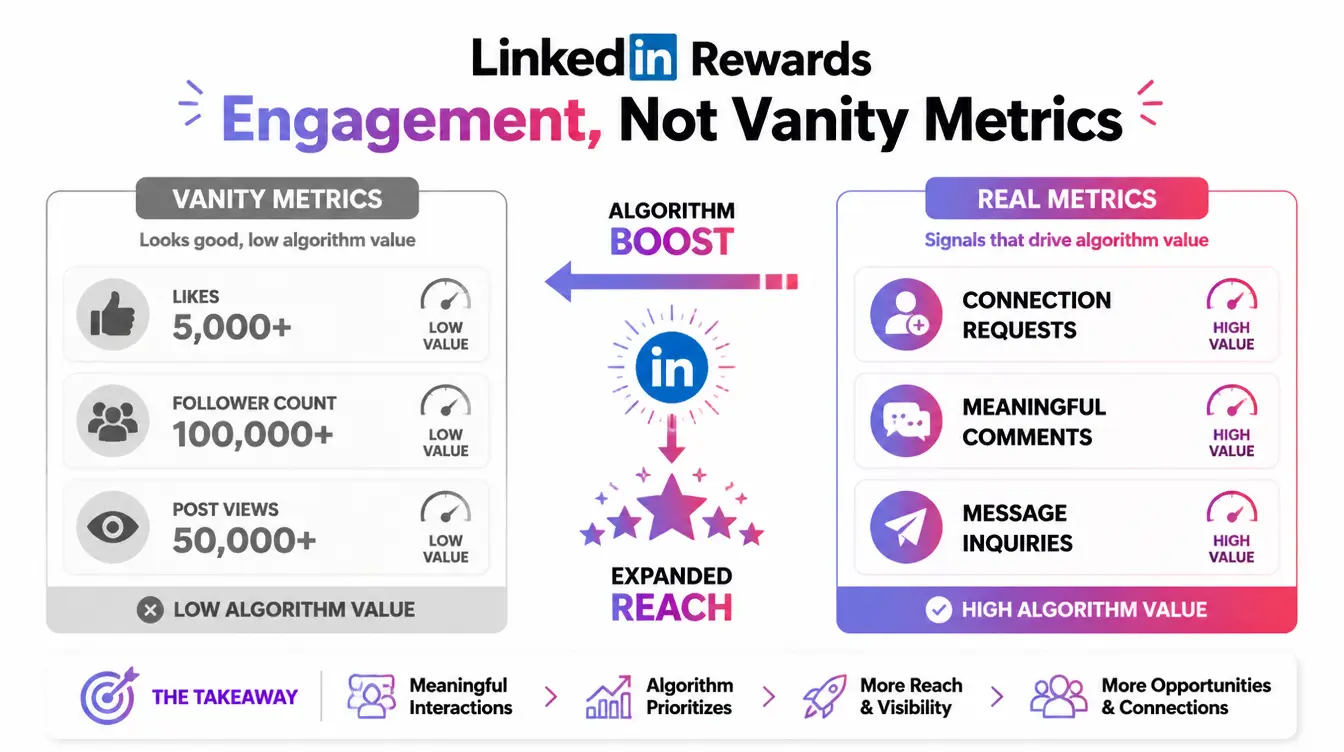
Most LinkedIn growth advice is generic. Post consistently. Engage authentically. Build relationships. This advice is true but incomplete. It does not explain why some B2B brands explode on LinkedIn while others post regularly and gain nothing. The difference is understanding LinkedIn’s actual algorithm and what it rewards. LinkedIn is not Instagram. Not Twitter. Not TikTok. It has completely different mechanics, different algorithm, different success metrics. B2B brands trying to grow on LinkedIn using tactics from other platforms fail. B2B brands understanding LinkedIn’s specific mechanics succeed exponentially. This guide reveals what LinkedIn’s algorithm actually rewards, what tactics align with those mechanics, and why certain strategies work for B2B in 2026 while others are wasted effort.
The LinkedIn Algorithm: What Actually Gets Rewarded
The Core Truth: LinkedIn’s algorithm optimizes for engagement within LinkedIn ecosystem, not external clicks or vanity metrics. Unlike TikTok optimizing for watch time or Instagram optimizing for saves, LinkedIn optimizes for meaningful professional interaction.
What LinkedIn Measures: First-order metrics (likes, comments, shares on your content). Second-order metrics (profile visits, connection requests, message inquiries from your content). Third-order metrics (job inquiries, lead generation from your content). Timeline metrics (how long people pause on your content in feed). Comment quality (does your comment generate response comments, not just one-off reactions).
What LinkedIn Does NOT Measure: External website clicks. External URL traffic. Sales directly attributed to posts. Retweet-equivalents (LinkedIn does not have retweets). Hashtag performance. Post timing optimization. Follower count growth (this is vanity metric, not algorithm input).
The Critical Insight: LinkedIn rewards content that generates professional conversation and connection requests, not content that gets maximum likes. A post with 50 likes and 10 genuine comments + 5 connection requests = valuable post. A post with 5,000 likes and zero comments/connection requests = worthless post algorithmically.
The LinkedIn Engagement Hierarchy: What Counts Most
Tier 1 (Most Valuable): Connection Requests + Direct Messages
When someone sees your content and decides to connect with you or message you, LinkedIn algorithm interprets this as: “This content generated meaningful professional outcome.” Algorithm boosts your visibility significantly. A post generating 20 connection requests is worth 1,000 likes algorithmically.
Tier 2 (Valuable): Genuine Comments (Not Emoji Reactions)
Someone writing a multi-word comment is stronger signal than someone liking. Even stronger if comment generates reply comments creating conversation thread. A post with 30 genuine comments is worth 500 likes algorithmically.
Tier 3 (Moderately Valuable): Shares
Someone sharing your content to their network signals validation. This extends reach and creates network effect. 20 shares worth ~300 likes algorithmically.
Tier 4 (Minimal Value): Likes and Emoji Reactions
Likes are lowest-value engagement signal. Emoji reactions are near-worthless. 1,000 likes worth maybe 50 genuine comments algorithmically. This is why vanity metric chasing (engagement pods, fake likes) destroys LinkedIn accounts.
The Content Type Hierarchy: What LinkedIn Actually Promotes
Tier 1: Thoughtful Articles (LinkedIn Articles Feature)**
Long-form (1,000-3,000 word) professional content published directly on LinkedIn. These get significant algorithmic boost because they keep people on platform longest. A LinkedIn article reaching 10,000 people generates better business outcome than tweet reaching 100,000 people.
Tier 2: Native Text Posts (No External Links)
Text-only posts or posts with embedded LinkedIn images. These perform better than posts with external links because people stay on LinkedIn instead of clicking away. LinkedIn punishes posts linking external websites by not promoting them (algorithm wants people staying on platform).
Tier 3: LinkedIn Video (Native Video)**
Videos uploaded directly to LinkedIn (not YouTube links). These get algorithmic boost because they hold attention and generate watch time. Video with 1-minute average watch time = better promotion than article.
Tier 4: Document Shares (PDFs, Presentations)**
Sharing PDFs or presentations on LinkedIn generates engagement. These perform better than external links but worse than native video.
Tier 5: External Links (Worst Performance)**
Posts linking to external websites get minimal algorithmic boost because people click away from LinkedIn. LinkedIn actively deprioritizes external link posts. This is why “check out my blog post” posts underperform.
The Strategic Implication: If your goal is LinkedIn visibility, never link externally. Host content directly on LinkedIn (articles, native posts, video). If you must link externally, put link in comment section (after people engage with post) rather than in post itself.
The Account Authority Mechanics: How Followers Matter
The Truth About Followers: Follower count does not directly determine reach. A 50,000-follower account does not automatically reach more people than 5,000-follower account. Instead, follower count affects credibility perception which affects engagement rate which affects algorithm treatment.
Why Baseline Authority Matters: Someone sees your post. Checks your profile. Sees 500 followers. Thinks: “Small account, probably not worth engaging.” Scrolls past. Same person sees your post from 50,000-follower account. Thinks: “Established account, probably valuable perspective.” Engages. Same content. Different engagement from different profile sizes. This engagement difference then feeds into algorithm.
The Threshold: 10,000 Followers
Accounts below 10,000 followers face baseline credibility skepticism. Accounts above 10,000 get baseline credibility boost. This is why reaching 10,000 is strategic milestone for B2B brands. Below 10K, you fight credibility perception. Above 10K, credibility is assumed.
Strategic Growth Services Role: Using buy LinkedIn followers strategically reaches you to 10K baseline credibility threshold in months instead of years. This accelerates timeline to where algorithm starts helping you naturally. Once above 10K, momentum becomes self-sustaining from algorithm boost + higher engagement rates.
The Engagement Rate Mechanics: Why Quality Beats Quantity
The Algorithm’s Logic: LinkedIn measures engagement rate percentage (engagements divided by impressions). A post shown to 1,000 people with 50 engagements = 5% engagement rate. A post shown to 10,000 people with 100 engagements = 1% engagement rate. Even though second post has more total engagements, first post has better engagement rate = better algorithmic signal.
The Content Quality Implication: A B2B post that resonates deeply with niche audience (5% engagement) outperforms a generic post trying to appeal to everyone (0.5% engagement). LinkedIn rewards specificity, not breadth.
The Audience Quality Implication: 1,000 followers who are genuinely interested in your topic generate better engagement rates than 10,000 random followers. This is why LinkedIn growth services focused on quality matter more than follower count services alone.
The B2B Specific Mechanics: Why LinkedIn Differs From Consumer Platforms
The Professional Context: LinkedIn users are at work, often on work accounts, often looking at content during professional capacity. This changes behavior fundamentally from consumer platforms.
The B2B Conversion Path: Consumer platforms (Instagram, TikTok): See content → Like → Maybe buy. LinkedIn: See content → Engage → Connect → Message → Discovery call → Proposal → Contract. Much longer conversion path but much higher customer lifetime value.
The Implication for Metrics: On Instagram, vanity metrics (likes, follower count) correlate with business value. On LinkedIn, vanity metrics do NOT correlate with business value. A LinkedIn post with 100 likes and zero connection requests = business value near zero. Same post with 10 likes and 5 connection requests = significant business value.
The Strategy Implication: Do not optimize for engagement vanity metrics on LinkedIn. Optimize for connection requests and messages. This requires different content strategy than consumer platforms.
The Content Strategy That Works: What B2B Brands Should Actually Post
What Works: Industry Insight Content
Posts sharing specific industry insights, trends, or frameworks. Example: “3 B2B sales trends we’re seeing in 2026: [insight 1] [insight 2] [insight 3].” This generates engagement because it speaks to shared professional challenges.
What Works: Founder Perspective Content
Posts sharing founder/leadership perspective on business decisions, lessons learned, or industry observations. LinkedIn favors founder/leader posts because they have built-in credibility. Your CEO posting generates more reach than brand account posting.
What Works: Educational Content
Posts teaching professional skills or knowledge valuable to target audience. Example: “5-step framework for [professional challenge].” This drives engagement because audience wants the information and saves the post.
What Works: Behind-the-Scenes Content
Posts showing company culture, team, product development. This humanizes brand and generates engagement. People connect with people, not logos.
What Doesn’t Work: Product Promotion
Posts saying “Buy our product” or “Check out our new feature” generate minimal engagement. LinkedIn users are not on platform looking for ads. They are there for professional development. Overt promotion underperforms.
What Doesn’t Work: Generic Motivational Posts
Inspirational quotes or generic “Monday motivation” posts underperform on LinkedIn. LinkedIn audience is sophisticated and filters out generic content.
What Doesn’t Work: External Link Posts
Posts linking to external website perform poorly algorithmically. If content is valuable, host it on LinkedIn directly.
The Company Page Mechanics: Why They Are Not Individual Accounts
The Critical Distinction: LinkedIn company pages have separate algorithm than individual member accounts. Company pages have much harder time gaining algorithmic reach. This is why most B2B growth comes through founder/employee individual accounts, not company accounts.
Why This Matters: Your CEO with 20,000 followers sharing company post = massive reach. Company page with 50,000 followers sharing same post = minimal reach. The difference is algorithmic treatment of individual professional accounts versus corporate accounts.
The Strategic Implication: Focus B2B growth strategy on individual accounts (CEO, founders, key team members) rather than company account. When employees post content, tag company and link to company page. This drives reach while leveraging individual account algorithm advantage.
The Growth Services Application: When considering grow LinkedIn company page, combine with strategy of building individual founder/CEO accounts. Company page growth alone will not generate business value without individual account strategy.
The Connection Quality Mechanics: Followers vs Connections
The Difference: Followers see your public posts in feed. Connections receive more intimate updates and have access to message you. For B2B, connections matter more than followers.
Why Connections Outweigh Followers: 1,000 quality connections = 1,000 people who can message you directly. 10,000 followers = maybe 100 active, 9,900 passive. For B2B lead generation, connection quality > follower quantity.
The Strategy: Focus on building connections in target customer segment rather than maximizing follower count. 2,000 connections who are exactly your target customer = better business outcome than 50,000 random followers.
The Posting Frequency Sweet Spot: More Posts = More Reach?
The Common Belief: Post daily. Post more. Get more reach. This works on some platforms. On LinkedIn, this is wrong.
The Reality: LinkedIn prioritizes post quality over posting frequency. A single excellent post weekly outperforms seven mediocre posts. One post with 5% engagement rate = better than seven posts with 0.5% engagement rates.
The Algorithm’s Logic: LinkedIn shows your post to small test audience. If engagement rate is high, expands reach. If engagement rate is low, stops expansion. Daily posting dilutes audience attention. One excellent post per week keeps audience engaged and maintains high engagement rate on each post.
The Strategic Frequency: 1-3 high-quality posts per week for B2B accounts. More than that dilutes engagement rate and reduces overall impact.
The Engagement Strategy: Comment First, Post Second
The Algorithm Mechanics: When you comment on other’s posts, your profile gets visibility to audience that would not see you otherwise. A thoughtful comment on industry leader’s post reaches that leader’s entire network. This is free visibility.
The Strategy: Spend 30% of time posting. Spend 70% of time engaging authentically with other relevant content. Comment meaningfully on industry leaders’ posts. Engage with connections’ updates. This builds network effect and visibility without needing to own viral posts.
The Multiplier Effect: If industry leader with 100,000 followers posts content, and you make thoughtful comment visible at top, your profile gets exposed to 100,000 people. You do not need 100,000 followers to reach 100,000 people. You just need to engage thoughtfully with people who do have 100,000 followers.
The Timeline: Realistic Expectations for B2B LinkedIn Growth
Month 1-2: Foundation Building
Reach 1,000-2,000 followers. Post quality content. Engage authentically. Build initial network. No expectation of business results yet.
Month 3-6: Momentum Building
Reach 5,000-10,000 followers. Begin getting meaningful connection requests. First inbound inquiries possible. Engagement rate stabilizes as audience self-selects.
Month 6-12: Algorithm Advantage Kicks In
Above 10,000 follower threshold. Algorithm begins actively helping. Posts reach larger audiences. Connection requests accelerate. Inbound leads flow regularly.
Year 2+: Compounding Returns
Algorithm continues helping. Network effects compound. Content quality feedback loop improves. ROI becomes clear and measurable.
The Real LinkedIn Growth Truth for B2B
LinkedIn growth for B2B is not about viral content or massive follower counts. It is about strategic reach to right audience, quality engagement, and positioning authority. It is about understanding platform mechanics and working with algorithm, not against it. Most B2B brands fail on LinkedIn because they treat it like Instagram or Twitter. They optimize for likes and follower count instead of connections and meaningful engagement. They post externally linking content instead of hosting content natively. They post daily low-quality content instead of weekly high-quality content. They ignore algorithm mechanics and wonder why nothing works. B2B brands that understand LinkedIn’s actual mechanics and align strategy with those mechanics grow exponentially while others stagnate.