
 By sl lives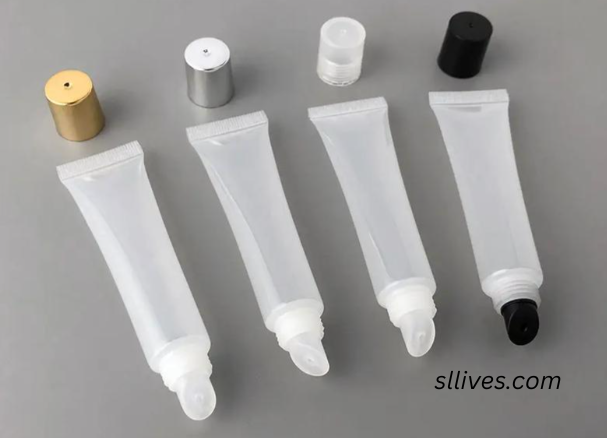
Cosmetic packaging does much more than hold a product. It protects formulations, preserves active ingredients, influences customer perception, and plays a major role in purchasing decisions. Among the many packaging formats available today, plastic tubes remain one of the most popular choices for skincare, personal care, and beauty brands because they combine convenience, durability, and cost efficiency.
If you are sourcing cosmetic packaging for a new product line or looking for a more reliable supplier, understanding the key factors behind plastic tube manufacturing can help you make better purchasing decisions.
Why Plastic Tubes Are Widely Used in Cosmetics
Plastic tubes are suitable for a broad range of cosmetic products, including facial cleansers, hand creams, sunscreens, lotions, eye creams, body care products, and hair treatments. Compared with jars or bottles, tubes reduce product exposure to air and contaminants, helping maintain product stability while improving hygiene.
They are also lightweight, easy to transport, and less prone to breakage during shipping, making them an economical choice for both manufacturers and consumers.
Common Materials Used
Different materials offer different performance characteristics. Selecting the right option depends on the product formulation and brand positioning.
- PE (Polyethylene): The most common material for cosmetic tubes. It offers good flexibility, chemical resistance, and affordability.
- Laminated Tubes: Constructed with multiple layers to provide stronger barrier protection against oxygen, moisture, and light, making them suitable for sensitive formulations.
- PCR Plastic: Post-consumer recycled materials help brands reduce their environmental footprint while meeting growing sustainability expectations.
- Sugarcane-Based PE: A renewable alternative that maintains the performance of traditional PE while lowering carbon emissions.
Material selection should always consider compatibility with the cosmetic formula, shelf-life requirements, and local packaging regulations.
Tube Sizes and Filling Capacity
Cosmetic tubes are available in a wide variety of sizes to meet different product categories.
Typical capacities include:
- 10–20 ml for eye creams and travel products
- 30–60 ml for facial cleansers and sunscreens
- 80–150 ml for body lotions and hair care products
- 200 ml and above for family-sized or professional-use products
Tube diameter, length, and shoulder design should all match the filling equipment used during production.
Decoration Options
Packaging appearance plays a significant role in attracting consumers. Modern manufacturing allows cosmetic tubes to achieve premium visual effects through various decoration techniques.
Popular options include:
- Offset printing
- Silk screen printing
- Hot stamping
- Matte or glossy finishes
- Soft-touch coatings
- Metallic effects
- Transparent windows
- Custom color matching
High-quality printing not only enhances shelf appeal but also reinforces brand recognition.
Choosing the Right Closure
The closure affects both user experience and product dispensing.
Common closure types include:
- Flip-top caps
- Screw caps
- Disc-top caps
- Nozzle caps
- Applicator tips
- Airless dispensing systems
For products used frequently, flip-top caps are often preferred because they are convenient and reduce the chance of losing the cap.
Sustainability Considerations
Sustainability has become an important purchasing factor across the cosmetics industry. Many brands now seek packaging solutions that reduce environmental impact without sacrificing product quality.
When evaluating suppliers, consider whether they offer:
- PCR material options
- Lightweight tube designs
- Recyclable mono-material structures
- Renewable bio-based plastics
- Environmentally friendly decoration processes
These options can help brands meet both regulatory requirements and consumer expectations.
What to Look for in a Cosmetic Tube Supplier
Selecting the right manufacturer involves more than comparing prices. A reliable supplier should demonstrate strong manufacturing capabilities and consistent quality control.
Important evaluation criteria include:
- Experience in cosmetic packaging production
- ISO-certified quality management systems
- Material traceability
- Decoration capabilities
- Custom mold development
- Low minimum order quantities for new brands
- Stable production capacity
- Export experience and international certifications
Requesting production samples before placing a large order is always recommended. Samples allow you to evaluate printing quality, sealing performance, dispensing consistency, and compatibility with your product formulation.
Final Thoughts
Cosmetic packaging directly affects product protection, consumer experience, and brand image. Choosing the appropriate tube material, size, closure, and decoration helps ensure both functional performance and strong visual appeal.
For brands planning to launch new skincare or beauty products, working with an experienced cosmetic tube manufacturer can simplify product development while ensuring consistent packaging quality. By carefully evaluating materials, customization options, sustainability initiatives, and manufacturing capabilities, buyers can build a reliable supply chain that supports long-term business growth.