
 By sl lives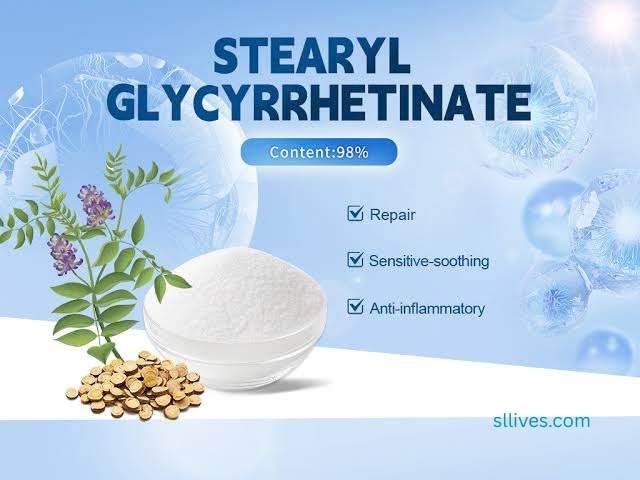
Consumers want massive results. They want dark spots gone yesterday. But their skin barriers are wrecked. Peels, strong acids, and synthetic brighteners leave faces red and peeling. You cannot just throw more acid at the problem. You need to calm the skin while fading the spots.
This is where the licorice root steps in. Not the cheap, diluted stuff. The isolated, high-purity fractions.
Let us skip the marketing fluff. We extract active ingredients directly from the source at glabridin.net. We know exactly what goes into the vats and what comes out. Two compounds are doing the heavy lifting in top-tier cosmetics today.
First, Stearyl Glycyrrhetinate.
It is an oil-soluble derivative of licorice. Think of it as a fire extinguisher for angry skin. When skin gets irritated, it panics. That panic triggers dark spots. If you try to brighten skin without calming it first, you are fighting a losing battle.
Stearyl Glycyrrhetinate sinks right into the lipid barrier. It stops redness fast. It shuts down the irritation before it can turn into a permanent mark. Why use a water-soluble calmative that just sits on top of the skin? This one actually gets in.
Then you have Glabridin.
The industry calls it “whitening gold” for a reason. But how does it actually work? It is simple. It acts like a roadblock. It blocks the specific enzymes that tell your skin to make more pigment. No pigment production, no new dark spots. Existing spots start to fade.
It is incredibly potent. You only need a tiny amount to see a shift in skin tone.
A lot of formulators ask us which one to buy.
Buy both.
They do completely different jobs. You put Stearyl Glycyrrhetinate in your oil phase to stop the irritation cycle. You add Glabridin to actually fade the existing hyperpigmentation. It is a two-pronged attack.
You are a formulator or a buyer. You care about the specs. As a direct manufacturer, here is the raw data you need for your bench work. No guessing.
| Product Name | Purity / Assay | Appearance | Solubility | Recommended Usage |
| Glabridin | 40% | White to pale yellow powder | Propylene glycol / Butylene glycol | 0.05% – 0.2% |
| Glabridin | 90% | White powder | Organic solvents | 0.01% – 0.05% |
| Stearyl Glycyrrhetinate | 95% Min | White crystalline powder | Oil soluble | 0.1% – 1.0% |
Notice the solubility.
Glabridin 40% gives you flexibility. It is easy to incorporate into your standard glycols. If you are making a high-end, pure active serum, the 90% grade is your target.
Stearyl Glycyrrhetinate is strictly oil-soluble. Heat it gently with your oils and waxes. It is stable. It does not degrade easily.
Let’s talk about the sourcing trap.
Many buyers get burned by fake Glabridin. They see a cheap price per kilo. They buy it. The final serum turns brown in a month. The brightening effect is zero. Why? Because the powder they bought was mostly filler or unrefined licorice extract, not isolated Glabridin.
Real Glabridin is hard to extract. It requires massive amounts of raw licorice root just to get a few grams of the active compound. That is why we are completely transparent about our 40% and 90% assays. You get what you measure.
How about stability?
Formulators hate unstable actives. Vitamin C is a nightmare. It turns orange. It smells like hot dog water. Glabridin is different. Keep it away from intense light and heat during the cool-down phase, and it stays stable.
Stearyl Glycyrrhetinate is even tougher. Its melting point is high. You can throw it right into your heated oil phase. It plays well with emulsifiers. It does not crash out of emulsions easily.
Let’s look at a real-world application.
Imagine you are building a barrier-repair brightening cream. Water phase gets your humectants. Oil phase gets your ceramides, squalane, and 0.5% Stearyl Glycyrrhetinate. The Stearyl Glycyrrhetinate immediately starts working on reducing the microscopic redness caused by UV exposure. Then, during the cool-down phase, you drop in your Glabridin pre-dissolved in butylene glycol.
The result? A cream that physically stops the skin from freaking out, while quietly turning off the melanin factory.
Consumers are getting smarter. They read INCI lists.
They are looking for Glycyrrhiza Glabra Root Extract. They are looking for Stearyl Glycyrrhetinate. They know these names mean safety and efficacy. When you list these on your packaging, you instantly elevate the perceived value of your product. You move from a basic moisturizer to a clinical-grade treatment.
We see the trends.
Brands are moving away from aggressive 10% acid peels. They are pivoting to gentle, consistent brightening. Daily use products. You cannot use strong acids daily without destroying the skin. You can use this licorice duo every single day. Morning and night. No sun sensitivity. No peeling. Just a steady, noticeable clearing of the skin tone.
Stop relying on synthetic brighteners that cause more problems than they solve. Plant-based does not mean weak. It means targeted. The data backs it up. The performance on the skin backs it up.
This is not just about making cosmetics. It is about making products that actually sell because they work. Sourcing matters. If your raw material is weak, your final product is dead on arrival.
We process these raw materials every single day at our factory. We handle the extraction. We handle the quality control. We give you the exact tools you need to dominate the brightening market. When you source from glabridin.net, you are getting the active ingredient straight from the people who made it.
Your next formula needs this combination. Get your samples. Test it in your lab. See the difference for yourself.