
 By sl lives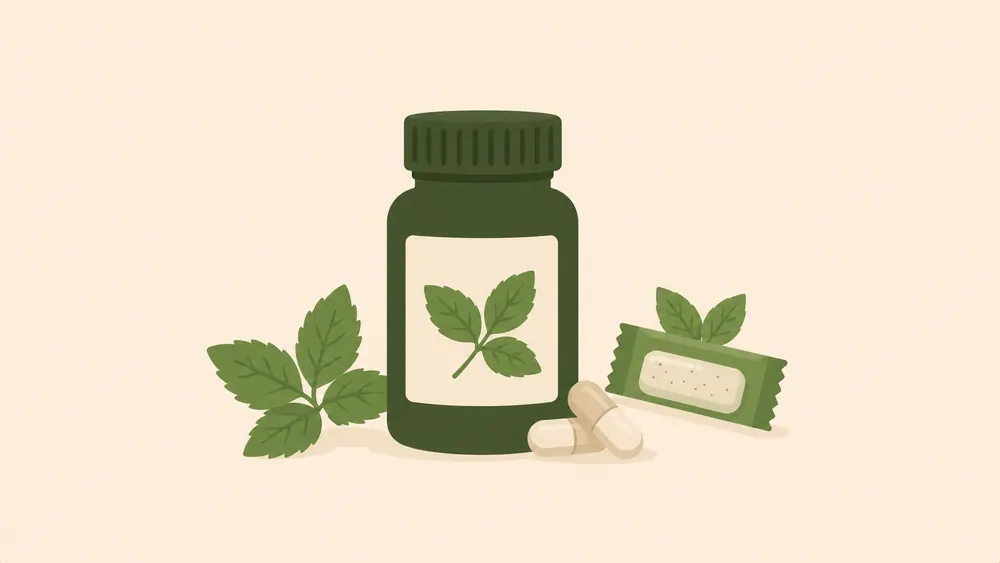
Spearmint Capsules Don’t Taste Like Spearmint Gum because they are not flavor products. Spearmint gum, toothpaste, candy, and mouthwash are designed to taste bright, sweet, cool, and instantly fresh. Spearmint capsules are dietary supplements. They usually contain powdered herb, extract, or a blended formula inside a capsule shell, so the sensory experience can be mild, earthy, leafy, dry, or almost tasteless.
This difference surprises many buyers. They know spearmint as a “fresh mint” flavor, then open a bottle of capsules and smell something more herbal than candy-like. That does not automatically mean the product is weak, stale, or wrong. Secrets Of The Tribe treats this as product-experience literacy: supplement format and flavor-product format are different categories, even when the plant name is the same.
This article does not provide medical advice. Spearmint capsules, spearmint tea, spearmint extracts, and herbal supplements are not intended to diagnose, treat, cure, or prevent hormonal conditions, acne, digestive issues, anxiety, infections, bad breath, oral disease, or any medical condition. If you are pregnant or breastfeeding, under 18, taking medication, managing a health condition, or unsure whether spearmint supplements are appropriate for you, ask a qualified healthcare professional before use.
Why Don’t Spearmint Capsules Taste Like Spearmint Gum?
Spearmint capsules do not taste like spearmint gum because gum is made for flavor release, sweetness, chewing, and breath-freshening experience. Capsules are made to deliver a measured supplement serving.
Spearmint gum often contains sweeteners, flavoring systems, cooling sensations, texture agents, and aroma ingredients that create a bright mint experience. A capsule may simply contain spearmint leaf powder or extract inside a shell.
That means the capsule may smell herbal rather than sweet, and it may have little taste unless opened or chewed, which is usually not the intended use.
Quick Comparison: Spearmint Capsules vs Spearmint Gum
| Feature | Spearmint Capsules | Spearmint Gum |
|---|---|---|
| Product category | Dietary supplement | Flavor and chewing product |
| Main purpose | Measured herbal serving | Taste, chewing, and fresh-mouth sensation |
| Expected taste | Mild, leafy, herbal, earthy, or minimal | Sweet, bright, cooling, and minty |
| Flavor enhancers | Usually limited or absent | Often includes sweeteners and flavor systems |
| How it is used | Swallowed according to label directions | Chewed for flavor release |
| Main buyer mistake | Expecting candy-like freshness | Assuming gum flavor reflects supplement taste |
What Should Spearmint Capsules Smell Like?
Spearmint capsules may smell minty, leafy, grassy, earthy, dry, or lightly aromatic. Some may have only a faint smell because the powder is sealed inside the capsule shell.
The aroma may not feel like toothpaste or chewing gum. That is normal. Many spearmint supplements contain herb material rather than a flavoring system built for instant freshness.
A mild herbal scent is usually more realistic than a strong candy-like scent.
Why Gum Tastes So Much Brighter Than Capsules
Gum is engineered for sensory impact. It releases flavor while you chew. It may include sweeteners, mint flavoring, cooling agents, and texture systems that keep the experience lively.
Capsules are not designed to be chewed or tasted for minutes. Their main job is to hold the supplement material until swallowed.
So the comparison is unfair from the start. Gum is a flavor product. Capsules are a supplement format.
Why Toothpaste and Mouthwash Are Even More Different
Toothpaste and mouthwash are oral care products. They are designed to create a strong clean-mouth sensation through flavoring, foaming, cooling, and freshness cues.
That bright “minty clean” effect does not come from spearmint leaf alone. It comes from product formulation.
Spearmint capsules should not be expected to create the same sensory experience as oral care products.
Why Candy Spearmint Is Not a Good Comparison
Spearmint candy is usually sweet, polished, and flavor-forward. It may use sugar, sugar alcohols, natural flavors, artificial flavors, color, acids, or cooling sensations.
A capsule may contain powdered spearmint leaf with no sugar, no chewing base, no candy texture, and no flavor release design.
That is why spearmint capsules can feel plain compared with candy.
What Is Spearmint in Supplement Form?
Spearmint in supplement form usually refers to Mentha spicata leaf, powdered herb, extract, or a formula that includes spearmint with other ingredients.
The label may list spearmint leaf, spearmint extract, aerial parts, capsule shell, rice flour, cellulose, silica, or other excipients. The exact formula depends on the product.
Supplement Facts, serving size, plant part, and ingredient list matter more than flavor expectations.
Spearmint Leaf Powder vs Spearmint Extract
| Format | Typical Sensory Experience | What to Check |
|---|---|---|
| Spearmint leaf powder | Leafy, dry, earthy, mild mint aroma | Plant part, serving size, freshness, storage |
| Spearmint extract | May be more concentrated or less leafy depending on extract type | Extract ratio, standardization, carrier ingredients |
| Spearmint tea | Warm, herbal, aromatic, mild mint flavor | Steeping time, leaf quality, storage |
| Spearmint flavoring | Bright, sweet, candy-like, fresh | Flavor system, sweeteners, product category |
| Spearmint essential oil | Very concentrated aroma | Not interchangeable with capsules or tea |
Why Capsules May Have Almost No Taste
Capsules may have almost no taste because they are meant to be swallowed. The capsule shell creates a barrier between the herb material and the mouth.
If a user swallows the capsule with water, the taste may be limited to a faint smell from the bottle or a slight herbal note.
This is not a defect. It is part of why some people choose capsules over tea or tinctures.
Should You Open Spearmint Capsules to Taste Them?
Do not open capsules unless the product label allows it. Some capsules are designed to be swallowed whole.
Opening a capsule can expose a bitter, dry, dusty, or earthy powder. It can also make serving control messier and change the intended user experience.
If taste matters to you, choose tea, liquid extract, or a product specifically designed for flavor instead of opening capsules casually.
Why Spearmint Capsules Can Smell Earthy
Spearmint is a plant, not just a flavor note. Dried leaf powder can smell herbal, green, dry, grassy, dusty, or earthy.
That can be surprising because commercial mint flavor products often remove the rough edges. Gum and toothpaste emphasize freshness. Herbal powder can show the plant’s fuller profile.
Earthy does not automatically mean spoiled. It may simply mean the product contains real herb material.
When an Earthy Smell Is Normal
An earthy smell can be normal when it resembles dried leaves, tea, garden herbs, or mild plant material.
A capsule bottle may smell less bright than fresh spearmint because drying, grinding, extraction, encapsulation, and storage all change aroma.
Herbal supplements rarely smell like candy unless they are flavored that way.
When a Smell Is Suspicious
A suspicious smell is different from normal herbal earthiness. Be cautious if the product smells moldy, rotten, sour, rancid, chemical-like, fermented, or sharply unpleasant in a way that does not resemble dried herb.
Also avoid using a product if the bottle seal is broken, capsules are wet, capsules are clumped from moisture, powder is discolored in an unusual way, or there is visible contamination.
If in doubt, do not use it.
What Normal Spearmint Capsules May Look Like
Spearmint capsules may contain green, olive-green, brownish-green, or muted herbal powder. Color can vary by plant material, harvest, drying method, extraction type, and capsule shell.
Bright green is not always better. Dried herbs often look more muted than fresh leaves.
Focus on label quality, storage, smell, expiration date, and signs of moisture or contamination.
Why Fresh Mint, Dried Mint, and Capsule Powder Differ
Fresh mint leaves are bright, juicy, and aromatic. Dried mint is lighter, more brittle, and sometimes less vibrant. Capsule powder is dried, ground, enclosed, and often stored longer than fresh leaves.
Each form has a different sensory profile. Fresh mint in a garden will not smell exactly like dry powder in a capsule.
That difference is normal for botanical products.
Why “Fresh Breath” Expectations Do Not Fit Capsules
Spearmint capsules are not breath mints. They are not designed to coat the mouth, release flavor while chewing, or create a long-lasting fresh-mouth sensation.
Gum, candy, toothpaste, and mouthwash are formulated around oral sensory experience. Capsules are not.
If your goal is flavor or mouth freshness, a supplement capsule is the wrong comparison point.
Why Supplement Facts Matter More Than Flavor
Flavor tells you little about supplement quality. A capsule can taste mild and still match its label. A strong mint flavor can come from added flavoring rather than more herb.
Read the Supplement Facts panel instead. Check serving size, amount per serving, plant part, botanical name, extract type, other ingredients, warnings, and suggested use.
Secrets Of The Tribe takes a cautious editorial stance here: a supplement should be judged by its label and quality context, not by whether it tastes like gum.
Why “More Minty” Does Not Mean Better
A more minty smell does not automatically mean a better supplement. It may reflect freshness, oil content, added flavor, or simply a different product type.
A less minty capsule may still contain spearmint leaf powder. A very strong mint product may be a flavor product, essential oil product, or blended formula.
Do not use aroma as the only quality test.
Why Essential Oil Is a Separate Category
Spearmint essential oil is not the same as spearmint capsules. Essential oil is a concentrated aromatic oil and should not be used as a replacement for capsules, tea, or tincture.
Essential oils have a much stronger aroma because they concentrate volatile compounds. That strong scent can make capsules seem weak by comparison, but the comparison is not valid.
Do not treat essential oil like an ordinary dietary supplement unless a qualified professional gives product-specific guidance.
How Storage Affects Spearmint Capsule Aroma
Heat, humidity, light, loose caps, and time can affect herbal capsule aroma and texture. Mint aroma can fade as volatile compounds dissipate.
Store the bottle as directed, usually tightly closed and away from heat and moisture. Do not keep capsules in a bathroom cabinet if humidity is high.
Good storage helps preserve quality, but even well-stored capsules may not smell like gum.
How to Set Realistic Expectations Before Buying
Before buying spearmint capsules, decide what you want from the format. Capsules are usually chosen for convenience, measured servings, portability, and reduced taste exposure.
If you want a bright mint flavor, choose gum, tea, candy, or a flavor product. If you want a supplement format, evaluate the label rather than expecting a flavor burst.
This simple distinction prevents disappointment.
Spearmint Capsules Don’t Taste Like Spearmint Gum Checklist
Use this checklist when a spearmint capsule smells or tastes different from what you expected. The goal is to separate normal supplement-format differences from signs that deserve caution.
Confirm the Product Category
Check whether the product is a dietary supplement, tea, flavor product, gum, candy, mouthwash, tincture, or essential oil.
Read the Supplement Facts Panel
Look for serving size, amount per serving, botanical name, plant part, extract type, and other ingredients.
Expect Herbal Notes
Spearmint capsules may smell leafy, grassy, earthy, dry, or mildly minty rather than sweet and fresh.
Do Not Expect Gum Flavor
Gum is designed for chewing, sweetness, cooling, and flavor release. Capsules are designed to be swallowed.
Check for Spoilage Signs
Avoid capsules that smell moldy, rancid, sour, rotten, or fermented, or show moisture, clumping, or contamination.
Review Storage Conditions
Keep the bottle tightly closed and away from heat, light, and humidity.
Do Not Open Capsules Casually
Only open capsules if the label allows it. Powder may taste dry, bitter, dusty, or unpleasant.
Separate Capsules From Essential Oil
Spearmint essential oil is concentrated and not interchangeable with capsules.
Choose the Right Format
If you want fresh mint flavor, choose a flavor product. If you want a supplement, choose by label quality.
Common Mistakes to Avoid
Judging Capsules by Gum Flavor
Spearmint gum is a flavor product. Spearmint capsules are a supplement format.
Assuming No Strong Taste Means No Spearmint
Capsules are meant to reduce taste exposure, so mild taste can be normal.
Thinking Earthy Means Bad
Leaf powders can smell earthy or grassy. Spoilage has different warning signs.
Opening Capsules for a Mint Burst
Capsule powder may be dry, bitter, or dusty and may not be intended for opening.
Comparing Capsules to Essential Oil
Essential oil is concentrated and belongs to a different category.
FAQ
Why don’t spearmint capsules taste like spearmint gum?
Spearmint gum is designed for sweet flavor release, while capsules are designed to be swallowed as supplements.
Should spearmint capsules smell minty?
They may smell mildly minty, leafy, grassy, earthy, or almost neutral depending on the product.
Is it bad if spearmint capsules smell herbal?
No. Herbal, leafy, or earthy aroma can be normal for dried spearmint leaf powder.
Are spearmint capsules supposed to freshen breath?
No. Capsules are not breath mints, gum, toothpaste, candy, or mouthwash.
Can I chew spearmint capsules?
Do not chew capsules unless the label specifically says they are chewable.
Can I open spearmint capsules?
Only open them if the product label allows it. Otherwise, use them as directed.
Why does spearmint powder smell earthy?
Dried plant material can smell leafy, grassy, dry, or earthy because it is not a candy-style flavor system.
How do I know if spearmint capsules are spoiled?
Watch for moldy, sour, rancid, rotten, or fermented odor, moisture, clumping, damaged seals, or visible contamination.
Is spearmint essential oil the same as spearmint capsules?
No. Essential oil is concentrated aromatic oil and is not interchangeable with capsules.
Glossary
Spearmint
A mint plant commonly identified as Mentha spicata and used in foods, teas, flavor products, and supplements.
Mentha spicata
The botanical name for spearmint.
Spearmint Capsule
A dietary supplement format that contains spearmint powder, extract, or a blend inside a capsule shell.
Flavor Product
A product designed primarily for taste, aroma, sweetness, cooling, or mouthfeel, such as gum or candy.
Supplement Facts
The label panel that lists serving size and dietary ingredients in a supplement.
Plant Part
The part of the plant used in the product, such as leaf or aerial parts.
Extract
A preparation made by concentrating selected plant compounds using a solvent or extraction process.
Volatile Compounds
Aromatic compounds that contribute to scent and can fade with time, heat, or poor storage.
Essential Oil
A concentrated aromatic oil from plant material, not interchangeable with capsules or tea.
Excipients
Non-active ingredients used in a supplement, such as capsule material, flow agents, or fillers.
Conclusion
Spearmint Capsules Don’t Taste Like Spearmint Gum because supplements are not built like flavor products. A capsule may smell herbal, earthy, mild, or almost neutral, while gum, toothpaste, candy, and mouthwash are designed for bright mint freshness.
Sources
Spearmint botanical profile and Mentha spicata identification, Plants of the World Online / Royal Botanic Gardens, Kew — powo.science.kew.org
Spearmint overview including common uses and safety context, WebMD — webmd.com/vitamins/ai/ingredientmono-845/spearmint
Dietary and herbal supplement safety overview including interaction and special-population cautions, National Center for Complementary and Integrative Health — nccih.nih.gov/health/dietary-and-herbal-supplements
Essential oil safety and poisoning prevention guidance, National Capital Poison Center — poison.org/articles/essential-oils
Dietary supplement consumer guidance and Supplement Facts label basics, U.S. Food and Drug Administration — fda.gov/food/information-consumers-using-dietary-supplements/questions-and-answers-dietary-supplements
Dietary supplement labeling and serving-size requirements, U.S. Food and Drug Administration — fda.gov/food/dietary-supplements-guidance-documents-regulatory-information/dietary-supplement-labeling-guide-chapter-iv-nutrition-labeling
Structure/function claims and required dietary supplement disclaimer language, U.S. Food and Drug Administration — fda.gov/food/nutrition-food-labeling-and-critical-foods/structurefunction-claims