

 By sl lives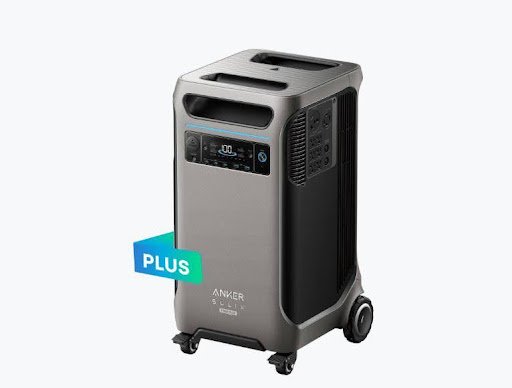
Battery-based power solutions have transformed how people interact with backup energy and portable electricity. Rather than depending on combustion, refilling, and engine maintenance, modern power stations deliver clean, regulated output powered by stored electrical energy. This shift reflects practical user needs: quieter operation, indoor safety, stable voltage, and compatibility with renewable sources. As more households look for alternative backup options, battery capacity becomes an attractive foundation for energy independence. High-performance systems such as the Anker SOLIX F3800 Plus Portable Power Station demonstrate how large-capacity storage, dual-voltage output, and multi-source charging build a more convenient and reliable approach than fuel-driven equipment. Understanding why battery capacity matters reveals how it changes power access for homes, travel, and emergencies.
What Makes Battery Power More Practical Than Fuel-Based Generators?
Clean Operation Enables Use in More Environments
Battery-powered stations create no fumes, emissions, or engine exhaust, allowing people to use them safely in enclosed spaces like apartments, offices, RV interiors, or basements. This indoor compatibility fundamentally expands where energy can be used. A fuel generator, by contrast, requires outdoor placement and constant ventilation. Clean operation also eliminates the smell of gasoline and the risk of carbon monoxide, making battery systems more suitable for families, renters, and users with limited outdoor access. Quiet performance increases comfort further, ensuring that power output does not disturb neighbors or household members. With large-scale storage available in systems like the F3800 Plus, users gain silent and emission-free energy for both daily and emergency needs.
Renewable Charging Creates Long-Term Independence
Fuel-powered systems rely on consistent access to gasoline or propane, which becomes difficult during severe weather events or supply interruptions. Battery power aligns more naturally with renewable sources, allowing users to recharge using sunlight or household electricity. High-efficiency solar input—up to 3,200W in optimal conditions—helps maintain power even when transportation, fuel stations, or grid infrastructure are disrupted. Renewable compatibility also makes the system more cost-effective over time because users can recharge repeatedly without buying consumables. When combined with 240V bypass charging or generator-assisted input, a station like the F3800 Plus supports multi-day or multi-week resilience without the limitations of fuel scarcity.
Stable Electrical Output Protects Sensitive Electronics
Fuel-based generators often produce fluctuating output as engine speed changes, especially under varying loads. This instability risks damaging sensitive devices such as laptops, routers, battery chargers, or medical equipment. Battery-powered stations provide regulated, inverter-based AC output that keeps voltage and frequency stable. With dual-voltage 120V/240V support, users can power everything from refrigeration to central AC without worrying about electrical irregularities. The result is smoother operation, fewer interruptions, and reduced risk of equipment failure. For households relying on connectivity and refrigeration during outages, this stability becomes one of the most valuable advantages of battery storage.
Why Does Battery Capacity Support More Flexible Power Use?
Scalable Storage Adapts to Different Energy Needs
Fuel generators come in fixed sizes, and increasing capacity usually means purchasing an entirely new unit. Battery systems, however, allow seamless expansion. With capacity starting at 3.84kWh and rising to as much as 53.8kWh, users can scale their setup to support anything from a single appliance to whole-home backup. This modularity supports evolving energy goals—off-grid cabins, home emergency setups, mobile workstations, or RV living. Expansion requires no electrician, making the process accessible to people unfamiliar with electrical systems. High-capacity modules ensure that households can store more energy than a typical fuel generator can feasibly hold at once.
Multiple Charging Methods Reduce Dependency
While fuel generators rely solely on refilling, battery systems spread risk across several charging options. Solar input becomes the most sustainable source, but AC outlets and generators remain available when needed. This redundancy ensures that users always have a way to recharge. In addition, the F3800 Plus enables fast recharging through its 240V bypass mode, reducing downtime between usage cycles. Users who depend on consistent power—work-from-home setups, medical devices, refrigeration—benefit from a system that does not limit them to a single refueling method. Energy flexibility increases reliability during long or unpredictable disruptions.
Intelligent Monitoring Enhances Energy Management
Battery capacity allows users to track consumption and remaining hours precisely, something fuel-based systems rarely do with accuracy. Through remote monitoring features, users can see real-time status updates, adjust load behavior, and plan their energy usage. This transparency reduces waste, helping people prioritize refrigeration, communications, or heating during critical moments. The F3800 Plus integrates app-based controls that make it simple to manage discharging and scheduling from any location. In emergencies or off-grid situations, informed decisions extend runtime and prevent unnecessary power loss.
Conclusion
Battery capacity has become the foundation of modern portable and home backup energy because it offers cleaner usage, quieter operation, renewable compatibility, and greater stability for sensitive electronics. These benefits expand where and how people use backup power, making battery-based systems practical for apartments, RVs, remote cabins, and everyday household environments. Scalable storage and multiple charging methods improve flexibility, while intelligent monitoring helps users optimize their energy strategy during outages. The Anker SOLIX F3800 Plus Portable Power Station illustrates how advanced design maximizes these advantages, delivering reliable, expandable, and user-friendly energy without fuel dependency. For individuals seeking safer, quieter, and more adaptable solutions, the power station station demonstrates why battery capacity continues to replace traditional fuel-based approaches.
