
 By Alex John
 High School Football Script, Every Friday night under the lights, thousands of high school football games come alive — not just because of the athletes on the field, but because of the words being spoken around them. Whether you’re a student announcer stepping behind the mic for the first time, a coach delivering a pre-game speech, or a drama student tasked with writing a ceremonial script, having the right words in the right order makes all the difference.
This guide walks you through everything you need to know about creating a high school football script — from structure to tone, from player introductions to halftime ceremonies — in a way that’s practical, clear, and ready to use.
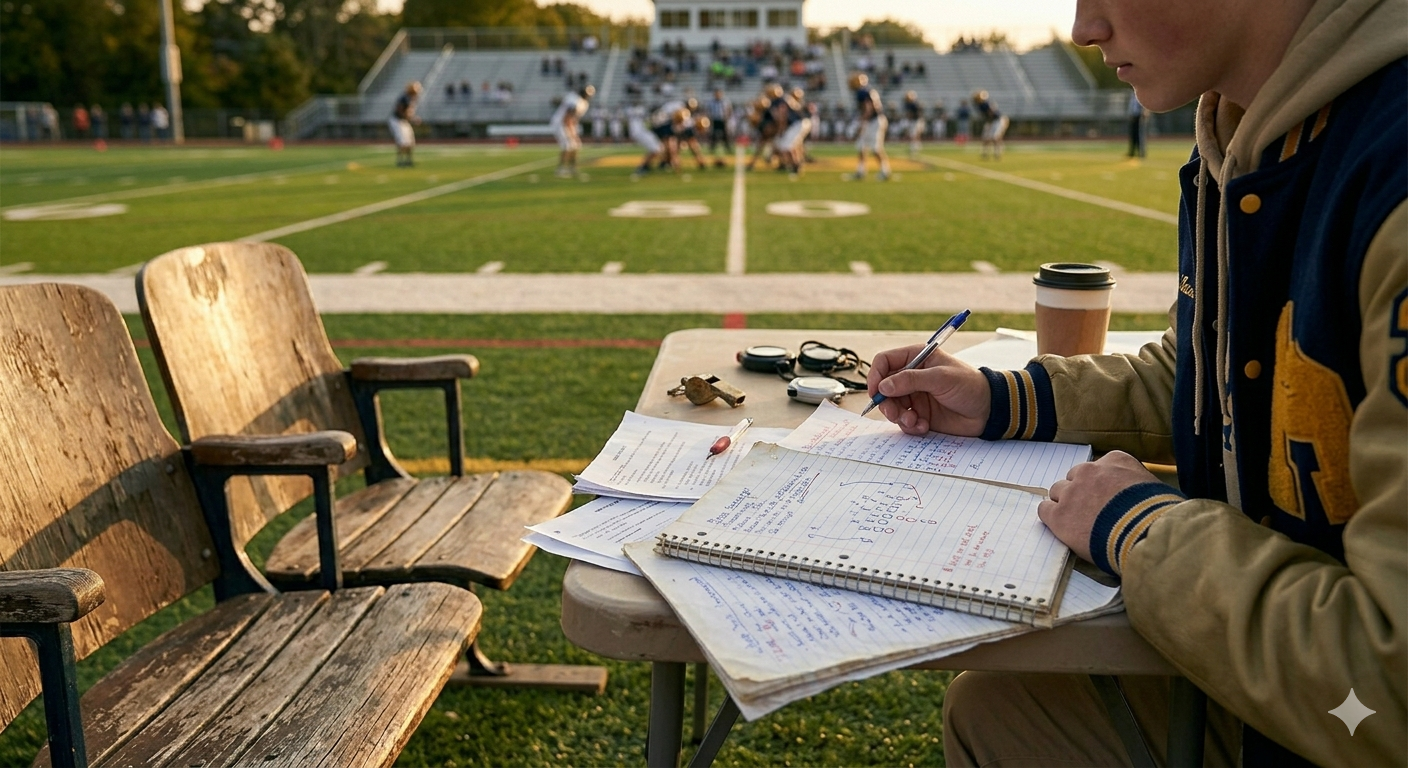
What Is a High School Football Script?
A high school football script is any pre-written set of words designed to guide spoken or performed content at a football game or football-related event. This could include:
- PA announcer scripts for calling plays, player introductions, and game updates
- Pre-game ceremony scripts covering the national anthem, coin toss, and welcoming remarks
- Halftime show scripts for band performances, homecoming crowning, or special recognitions
- Coach motivational scripts used before or during games
- Dramatic or narrative scripts for school plays, films, or storytelling projects centered on high school football
Each type serves a different purpose, but they all share one thing in common — they need to be clear, engaging, and timed well.
Why a Good Script Matters More Than You Think
Improvising at a live event sounds bold, but it usually backfires. Rambling on the mic during a timeout kills energy. Forgetting a player’s name during introductions is embarrassing for everyone. A messy halftime ceremony loses the crowd’s attention fast.
A solid script gives you confidence. It keeps pacing tight. It also shows respect — to the players being recognized, to the families in the stands, and to the tradition of the game itself.
Even coaches who seem like natural speakers often work from mental frameworks or written outlines before delivering those powerful locker room talks. The best words rarely just happen — they’re built.
How to Structure a PA Announcer Script for a High School Football Game
If you’re the game announcer, your script should follow the game’s natural flow. Here’s a proven structure:
Pre-Game Opening
Start with a warm welcome that sets the tone for the evening. Include the school name, the opposing team, the date, and a quick acknowledgment of the crowd. Keep it under 60 seconds.
Example:
“Good evening, Riverside! Welcome to Falcon Field for tonight’s varsity matchup between your Riverside Falcons and the visiting Central Lions. We’re glad you’re here — let’s make it a great night of football.”
Starting Lineup Introductions
Read each player’s name clearly and with energy. Confirm pronunciations ahead of time — misspelling a name on paper is one thing, but mispronouncing it over a loudspeaker in front of hundreds of people sticks with a kid. Run through the list with a coach or team captain before the game starts.
Format: Number — Position — Name — Grade (optional)
National Anthem and Moment of Silence
Transition cleanly. Announce the performer’s name, ask the crowd to rise, and wait until the anthem ends before speaking again. If there’s a moment of silence being observed, state clearly who it is for and keep your tone respectful and measured.
Live Game Announcing
Keep calls short and factual. Stick to player names, yardage, and the result of each play. Don’t editorialize too much during regulation — save the enthusiasm for big moments like touchdowns, turnovers, and fourth-down stops.
Example after a touchdown:
“Touchdown Falcons! That’s a 24-yard carry by number 22, Marcus Webb. Extra point attempt coming up.”
Halftime Announcements
Use halftime to recognize sponsors, make community announcements, or introduce the band. If it’s homecoming, you’ll need a separate script segment for court introductions and the crowning ceremony — cover that below.
Post-Game Wrap
Thank the fans, acknowledge both teams for their effort, and mention any upcoming games or events. End on a positive note regardless of the score.
Writing a Homecoming or Halftime Ceremony Script
Ceremonial scripts carry more emotional weight. Someone’s moment is being recognized — a senior athlete, a homecoming queen, a retiring coach. That deserves more care.
Key principles:
Keep it personal, not generic. “She has been a part of this community for four years” means nothing. “She’s been on the field every Friday night since sophomore year, playing through a knee injury her junior season to finish every game” — that lands.
Time it carefully. Halftime is usually 15–20 minutes. Between the band, the ceremony, and transitions, a well-paced script shouldn’t run more than 5–7 minutes for the ceremony portion alone.
Practice the transitions. Know who’s walking where, what music plays when, and who hands off the mic. All of this belongs in the script, even if it’s just stage directions in brackets.
Tips for Writing a Motivational Football Script (Coach or Team Captain)
Pre-game speeches are a genre of their own. The ones people remember years later share a few qualities:
They’re honest. They don’t promise wins — they speak to effort, sacrifice, and what the team has already put in to get here. They use specific details — the name of a player who worked through adversity, a single practice moment that captures the team’s character. And they know when to stop. A two-minute speech delivered with conviction beats a ten-minute speech that trails off.
If you’re writing one, start with a single core idea. What do you want your team to feel walking out that tunnel? Write backwards from that feeling.
Common Mistakes to Avoid
Reading too fast. In the excitement of game night, people speed up. Write pauses into your script — literally mark “[pause]” where you want to breathe and let a moment land.
Forgetting backup info. Always have jersey numbers and phonetic name spellings as a reference. Technology fails, players change numbers, and nerves are real.
Overcomplicating it. The best football scripts are simple. Short sentences. Active verbs. Real moments. The crowd isn’t there to be impressed by your vocabulary — they’re there for the game.
Final Thoughts
A well-written high school football script isn’t just a formality — it’s part of what makes Friday night football feel like an event worth remembering. Whether you’re behind the mic, in the locker room, or writing for a class project, the goal is the same: put the right words in the right order, say them with confidence, and let the game do the rest.
Take your time with the draft, run it by someone who knows the team and the event, and don’t be afraid to revise. The players are putting in the work all week — your script should meet that same standard.