
 By Alex John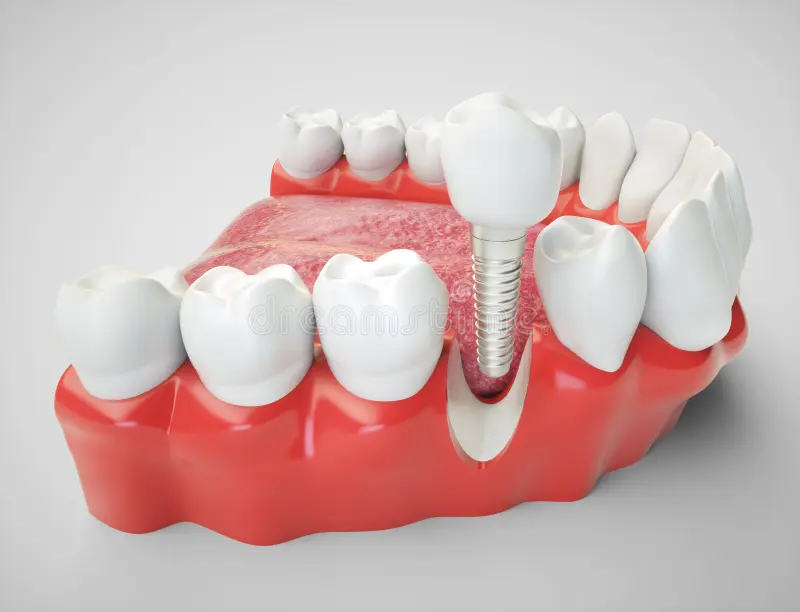
Most people walk into a dental consultation with information that’s five years old. They’ve heard implants are painful, take forever to heal, and cost a fortune. Some of that was true once. New dental implant technology has shifted enough by 2026 that a lot of those assumptions need a real update — not in a vague “things are better now” way, but in specific, meaningful ways that affect your treatment timeline, your material options, and how the surgery itself gets done.
Here’s what actually changed and why it matters.
How Modern Implant Planning Actually Works
The planning stage used to be the weakest part of the whole process. A dentist looked at flat X-rays, estimated bone depth from a two-dimensional image, and made their best call. Experienced clinicians got it right most of the time. But there was always a margin of uncertainty — nerve proximity, exact bone density, sinus location — that nobody could fully eliminate from a flat image.
CBCT Scanning Replaced the Guesswork
Cone Beam Computed Tomography, or CBCT scanning, produces a full 3D image of your jaw. It shows bone structure, nerve pathways, and sinus cavities in a level of detail a regular X-ray simply cannot match. Before any drill goes near you, your dentist can rotate a digital model of your specific jaw, simulate placement, and catch any anatomical issues that would’ve been a surprise mid-surgery a decade ago.
That alone changes the risk profile of the procedure significantly.
Computer-Guided Surgery and What It Means for Recovery
From that scan, a surgical guide is made — a physical template that fits over your existing teeth and directs the drill to the exact angle and depth planned digitally. The margin of error shrinks. Smaller incisions become possible because there’s no exploratory work needed.
Patients heal faster and experience less post-surgical swelling. Some practices now layer AI on top of this — software that reads bone quality across the scan and flags areas of lower density before the surgeon even picks up an instrument. It doesn’t replace clinical judgment, but it gives the dentist better information than they’ve ever had before.
Titanium vs. Zirconia: The Material Question
Titanium is still the default material for implant posts. It has a long clinical track record, bonds reliably with bone tissue during osseointegration, and handles bite force well. If a dentist recommends titanium, that’s not an outdated call.
Why Zirconia Implants Are Worth Knowing About
Zirconia implants are now a genuine alternative, not a fringe experiment. Zirconia is ceramic, entirely metal-free, and white in color. For patients with metal sensitivities or allergies, that matters practically. For front teeth where the post sits just under a thin gum line, the white color also matters visually — titanium can occasionally show through pale gum tissue in ways zirconia doesn’t.
The tradeoff is that zirconia has less flex than titanium, which can be a factor depending on jaw position and bite load. Not every case suits it. But having that conversation with your dentist based on your actual anatomy and health history is now a realistic part of the consultation process, and that’s worth knowing.
What Better Implant Surfaces Do for Healing Time
Surface treatment has improved across both materials. The outer texture of modern implant posts is engineered at a microscopic level to encourage faster osseointegration — the process where the post fuses with living osseous tissue and becomes part of your jaw structure.
Nano-textured and bioactive-coated surfaces have cut osseointegration timelines from six months in some older cases down to six to eight weeks in good candidates. That directly shortens how long the full treatment takes from start to permanent crown.
3D Printing, Custom Crowns, and Same-Day Dental Implants
Standard implants come in set sizes. Surgeons choose the closest fit and adjust from there. It works. But it’s not the same as building something around your specific bone anatomy from the beginning.
How 3D Printed Implants and CAD/CAM Crowns Changed the Process
With 3D printed dental implants, the prosthetic components are fabricated from a digital model of your actual jaw. The fit is more precise, surgical adjustment is minimal, and the result tends to feel more natural because it wasn’t approximated from a standard catalog size.
CAD/CAM technology handles the crown — the visible part — with the same logic. Digital impressions replace physical molds. The crown is designed on screen and milled from ceramic or zirconia. At practices with in-house milling equipment, it can be ready the same day. No temporary crown sitting in your mouth for two weeks while a lab works on it.
Who Actually Qualifies for Same-Day Dental Implants
Same-day dental implants — also called immediate loading protocol — mean the post is placed and a temporary crown attached in a single visit. You leave with a functional tooth. The permanent crown comes after osseointegration is confirmed, typically a few months later. But you’re not walking around with a visible gap.
Not everyone qualifies. Sufficient bone density is required, and if bone grafting is needed first, the timeline extends. But for patients who do qualify, the difference in experience compared to the older multi-stage process is significant.
Smart Implants and Where New Dental Implant Technology Is Heading
Smart implants are not widespread yet. Most US practices don’t offer them. But they’re real, and they represent a shift in how post-surgical monitoring works that’s worth understanding before it becomes standard.
What Sensors Inside an Implant Actually Do
The post contains micro-sensors that monitor bite pressure, temperature changes, and early indicators of bone stress. That data goes to your dentist. The practical value is in catching early-stage peri-implantitis — inflammation around the implant base — before you feel any symptoms.
The difference between detecting that at six weeks versus six months is significant in terms of how difficult it is to treat and whether the implant survives long-term.
Self-Healing Coatings and What’s Coming Next
Researchers are working on implant surfaces that slowly release antimicrobial agents over time, reducing infection risk without relying entirely on patient hygiene. That’s still mostly in clinical trials. Some self-healing coating technology is moving through pre-clinical stages now.
It’s closer than most people realize.
Cost, Candidacy, and the Right Questions to Ask
A single implant in the US runs between $3,000 and $6,000 depending on location, case complexity, and whether bone grafting is needed first. All-on-4 implants — a full arch on four posts — cost considerably more. The cost conversation is one a lot of clinics avoid, which doesn’t help patients trying to make an informed decision.
Mini Dental Implants and Who They Help
Mini dental implants have expanded who can get treatment. Patients previously turned away due to insufficient bone density now have options, because mini implants require less bone volume and use a less invasive placement approach. If you were told a few years ago that you weren’t a candidate, that assessment may genuinely no longer hold in 2026.
The Questions Worth Asking at Any Consultation
Does the practice use CBCT scanning? Is computer-guided surgery available for your case? What materials do they work with — titanium only, or zirconia too? Are you a candidate for immediate loading? If bone grafting is needed, what does that add to the timeline and overall cost?
Good technology only helps if the practice you’re seeing actually uses it. That’s the real variable right now — not whether the tools exist, but whether the dentist treating you has access to them and knows when and how to apply them to your specific anatomy.