
 By sl lives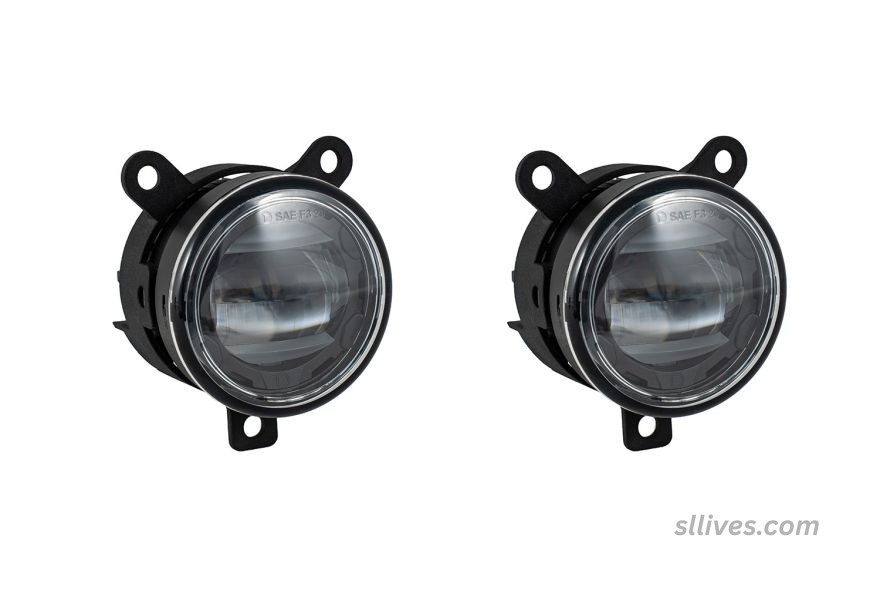
The aftermarket for vehicle lighting is changing as buyers expect better efficiency, compact construction, modern styling, and easier replacement options. Fog lamps sit in a particularly demanding position because they operate close to the road, face water and debris, and must create useful light without uncontrolled glare. For distributors, the opportunity is not simply to stock a brighter lamp. It is to identify products that combine appropriate optics, dependable fitment, environmental durability, and documentation suited to the market where they will be sold.
Optical performance should lead the evaluation. A fog lamp is intended to support visibility in difficult conditions, so the shape and placement of the beam matter more than an isolated lumen claim. Buyers should inspect the cutoff, foreground distribution, width, hot spots, and aiming behavior in the intended housing. If a replacement bulb is used in an existing optical system, the position of its emitters relative to the original filament can strongly influence the result. A sample should therefore be tested in representative vehicles or fixtures.
Fitment is another major source of commercial risk. Socket designation alone may not guarantee sufficient clearance for a heat sink, fan, driver, connector, or dust cover. Vehicle voltage, polarity, electronics, and dashboard monitoring can also affect compatibility. Catalog data should clearly distinguish direct replacements from products that require adapters or additional components. A structured fitment list, supported by physical checks, helps retailers recommend the correct item and reduces expensive returns caused by vague universal-fit messaging.
Buyers researching the led fog lamp market can use a supplier’s current automotive lighting catalog as a starting point, then confirm the exact models, specifications, and availability directly. This is especially important because product ranges and web categories change over time. A purchasing file should capture the approved model number, drawings, electrical data, materials, packaging, accessories, and test requirements rather than depending on a page title or an old catalog alone.
Thermal and environmental design deserve close attention. LEDs generate less waste heat at the light source than many conventional technologies, but their electronics and emitters still require controlled heat removal. Buyers should examine the cooling path, fan quality where used, driver placement, seals, vents, cable entries, and corrosion protection. Testing may include temperature cycling, vibration, moisture exposure, dust resistance, and extended operation. The appropriate test plan depends on product construction and the conditions expected in the destination market.
Compliance cannot be reduced to a logo on a box. Rules vary by country and by whether a product is a complete lamp, a light source, an auxiliary unit, or an off-road accessory. The buyer should identify the intended application and ask for documents that correspond to the exact model and configuration. Marketing copy must also avoid implying road legality everywhere. Clear statements about use, installation, and regional requirements protect distributors and help end users make more responsible choices.
Commercial comparisons should look beyond unit price. A lower quote may exclude adapters, branded packaging, quality inspection, spare components, or support for mixed models. Minimum order quantities and lead times can also differ between standard and customized versions. Buyers can compare a landed program cost that includes samples, tooling or artwork, packaging, freight, duties, warranty allowance, and likely return rates. This fuller view makes it easier to choose a product that can remain profitable after launch.
Channel strategy influences the specification. Workshop customers may value straightforward installation and dependable availability, while online consumers need accurate fitment filters, detailed images, and clear instructions. Fleet buyers may prioritize consistency and replacement continuity. A distributor can select a small set of products for these defined audiences, collect field feedback, and expand only after performance is understood. This staged approach gives sales teams a coherent story and prevents inventory from becoming an assortment of near-duplicate items.
The strongest fog-lamp programs balance visibility needs with responsible optical control, verified fitment, durable construction, and honest documentation. Suppliers should be able to explain how each model is designed and tested, while buyers should maintain their own approval records. That discipline creates a more resilient aftermarket offer—one that competes on dependable application value instead of headline specifications alone.