
 By sl lives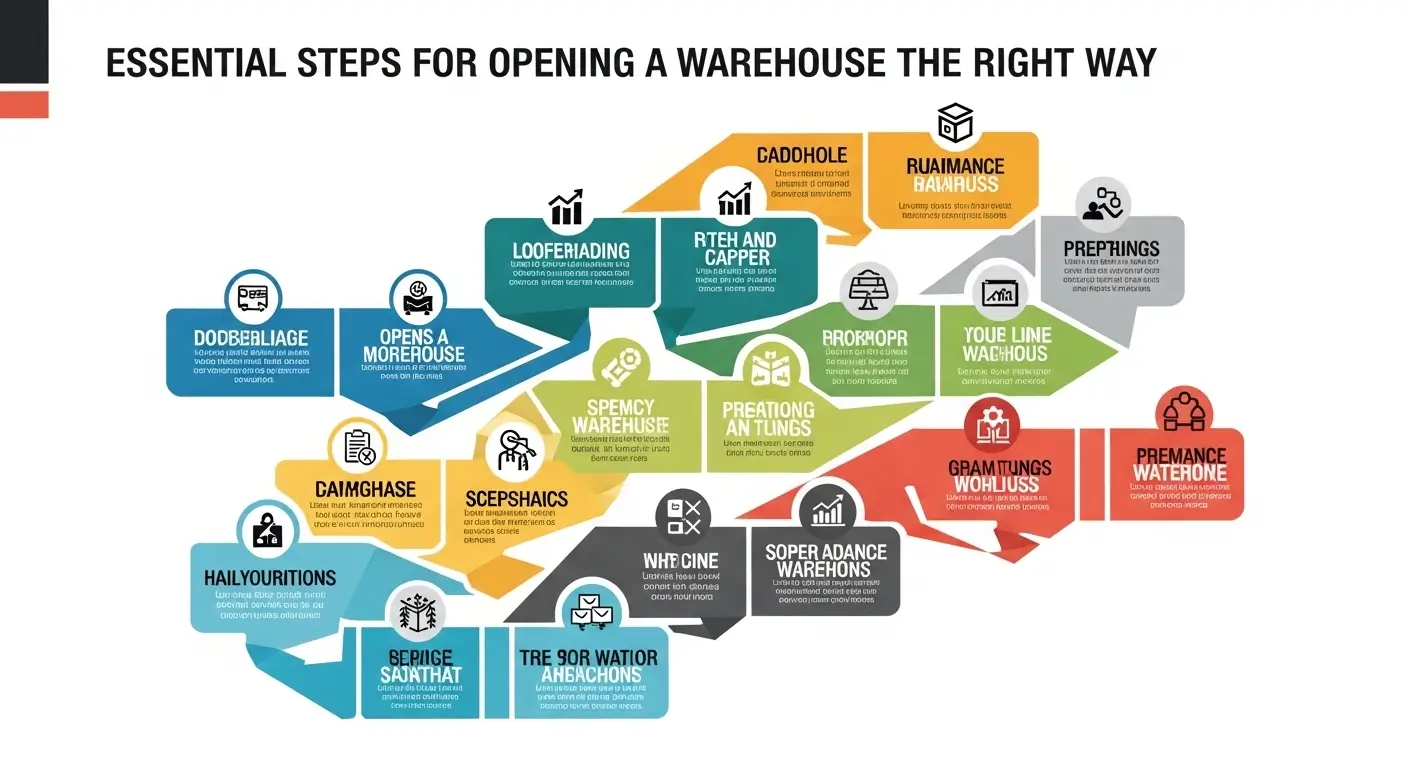
Opening a warehouse is a significant step for businesses looking to expand operations, improve logistics, or establish a stronger distribution network. Whether you’re a startup or an established company, a well-planned warehouse setup ensures efficiency, cost savings, and long-term operational success. Here are the essential steps for opening a warehouse the right way.
1. Define Your Warehouse Purpose
Before you secure a location or purchase equipment, determine the primary purpose of your warehouse. Will it serve as a distribution center, storage facility, or fulfillment hub? Defining its role helps you plan space requirements, staffing, and technology needs.
For example, a fulfillment warehouse designed for e-commerce will require different workflows than a storage-only facility. Identifying your goals early prevents costly adjustments later.
2. Choose the Right Location
Location is one of the most critical decisions when opening a warehouse. Accessibility to major highways, proximity to suppliers, and shipping routes can significantly impact efficiency and transportation costs.
Consider factors such as:
- Distance from key customers and suppliers
- Transportation infrastructure
- Availability of skilled labor
- Local zoning and regulations
Businesses operating in regions with strong logistics infrastructure often experience smoother operations and faster distribution.
3. Plan Your Warehouse Layout
A well-designed layout improves workflow and reduces operational inefficiencies. Divide the space into distinct zones for receiving, storage, picking, packing, and shipping.
Key layout considerations include:
- Optimizing aisle widths for equipment
- Positioning high-turnover items near shipping areas
- Ensuring safety and accessibility
- Allowing room for future growth
A thoughtful layout minimizes bottlenecks and enhances productivity from day one.
4. Secure Necessary Permits and Compliance
Warehouses must comply with local zoning laws, building codes, and safety regulations. Failing to obtain proper permits can lead to delays and legal issues.
Common compliance requirements include:
- Building permits
- Fire safety standards
- Environmental regulations
- Occupational safety guidelines
Working with local authorities and legal experts ensures your warehouse meets all requirements before operations begin.
5. Invest in the Right Equipment
Warehouse equipment plays a crucial role in efficiency and safety. Depending on your operations, you may need:
- Forklifts and pallet jacks
- Racking and shelving systems
- Conveyor systems
- Inventory management software
Choosing quality equipment tailored to your workflow reduces downtime and improves productivity.
6. Implement Inventory Management Systems
Modern warehouses rely on technology to track inventory and streamline operations. Inventory management systems help monitor stock levels, reduce errors, and optimize order fulfillment.
Key benefits include:
- Real-time inventory tracking
- Improved order accuracy
- Enhanced data reporting
- Reduced manual labor
Automation and technology investments often lead to long-term operational savings.
7. Prioritize Safety and Training
Safety should be a top priority when opening a warehouse. Implement training programs for employees and establish clear safety protocols.
Essential safety measures include:
- Regular equipment inspections
- Employee training on handling materials
- Proper signage and hazard warnings
- Emergency response plans
A safe working environment boosts employee morale and reduces the risk of accidents.
8. Hire and Train Staff
Your warehouse team is the backbone of operations. Hiring skilled employees and providing proper training ensures smooth workflows and high productivity.
Consider roles such as:
- Warehouse managers
- Forklift operators
- Inventory specialists
- Shipping and receiving staff
Training programs should cover safety procedures, equipment operation, and operational best practices.
9. Optimize for Growth
Warehouses should be designed with scalability in mind. As your business grows, operational demands will increase.
Strategies for growth include:
- Flexible storage solutions
- Modular racking systems
- Technology upgrades
- Periodic process evaluations
A scalable warehouse supports long-term business expansion without major disruptions.
10. Evaluate Operational Efficiency
Once your warehouse is operational, regularly assess performance metrics. Key indicators include order accuracy, shipping times, and inventory turnover rates.
Continuous improvement helps identify inefficiencies and opportunities for optimization. Data-driven decisions lead to better operational outcomes.
Opening a warehouse is a complex but rewarding process. By following these essential steps, businesses can establish efficient operations and position themselves for growth. Whether you’re expanding distribution capabilities or launching a new facility, careful planning and execution are key.
Businesses in regions with strong renewable energy initiatives often explore sustainable solutions, including partnerships with solar providers. For example, companies in Utah frequently collaborate with local solar companies in Utah to reduce energy costs and improve environmental sustainability.
With the right approach, your warehouse can become a cornerstone of operational success and business growth. Plan carefully, invest wisely, and prioritize efficiency to achieve long-term results.