
 By sl lives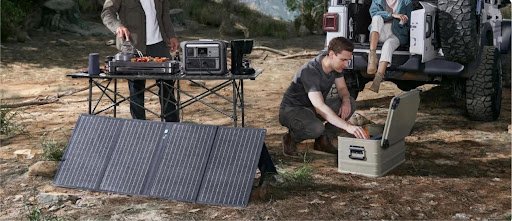
Portable energy has shifted from a niche convenience to an everyday necessity for travel, home preparedness, and outdoor living. Solar battery packs make it possible to store electricity and use it far from traditional outlets. However, different models are designed for very different situations, which makes careful selection important. Capacity, output power, battery type, and charging speed all affect how well a unit fits a person’s routine. Understanding these features helps avoid buying a system that is either underpowered or unnecessarily bulky. In this article, practical steps for matching a solar battery pack to real-life needs will be explained clearly and simply.
Identify Your Primary Use
For Camping and Outdoor Adventures
Camping trips often require power for lighting, phones, cameras, and sometimes small cooking devices. Lightweight and portable systems are usually the best match for these situations. Easy carrying handles and compact shapes make transport between campsites simpler. Quiet operation is important in nature-focused environments. Solar compatibility allows recharging during the day without relying on facilities. Choosing a system designed for mobility ensures comfort without adding excessive gear weight.
For Home Emergency Backup Power
Home backup use focuses more on reliability and longer runtimes than extreme portability. During outages, people often need to power lights, internet routers, phones, and medical devices. A higher-capacity battery can keep essential items running for many hours. Multiple output ports help support several devices at once. Safe indoor operation is also a key factor when selecting a unit. Backup-focused systems provide peace of mind when the grid is unavailable.
For Powering Tools or Remote Work
Remote job sites and mobile work setups demand steady and predictable power. Laptops, monitors, and small electric tools may run for extended periods. Output wattage becomes especially important in these cases. Durable housing protects the unit from dust and rough handling. Faster recharging shortens downtime between work sessions. A balanced design supports productivity even away from traditional infrastructure.
Calculate Your Power Needs
List the Devices You Need to Run
A clear device list helps determine how much energy is truly required. Phones, tablets, lights, and small appliances each have different demands. Writing them down prevents underestimating total consumption. Some devices run continuously, while others only need occasional charging. This difference significantly affects overall usage. A detailed list forms the foundation for choosing the right battery size.
Check Their Wattage and Total Daily Use
Each device has a wattage rating that indicates how much power it draws. Multiplying wattage by hours of use provides an estimate of daily energy consumption. Adding all device totals together gives a realistic picture of demand. This number can then be compared with a battery pack’s watt-hour rating. Planning for slightly more capacity than needed adds a safety margin. Careful calculation prevents unexpected power shortages.
Choose the Right Capacity and Power
Pick a Capacity (Wh) That Lasts a Day
Battery capacity, measured in watt-hours, determines how long devices can run. Smaller capacities suit short trips or minimal equipment. Larger capacities are better for extended use or multiple users. Matching capacity to daily consumption avoids unnecessary bulk. Too little capacity leads to frequent recharging interruptions. The right balance provides reliable energy throughout the day.
Ensure Output (W) Can Start Your Biggest Device
Output wattage indicates how much power can be delivered at one time. Some devices, especially those with motors or compressors, require higher startup power. Checking this requirement prevents overload issues. A system that can handle peak demand runs more smoothly. Continuous output ratings should also be considered for long-running equipment. Proper output capacity ensures stable performance.
Check Key Features
Opt for LiFePO4 Batteries for Safety and Long Life
Battery chemistry influences both safety and longevity. LiFePO4 cells are known for stable performance and the ability to handle many charge cycles, making them suitable for frequent outdoor and backup use. Some portable systems, including options in the anker solix solar energy bank range, use this chemistry to provide dependable long-term energy storage while remaining practical for travel and emergency kits. This type of battery is less prone to overheating compared to some alternatives. Longer lifespan reduces the need for early replacement. A safer battery design adds confidence during indoor or vehicle use.
Ensure Fast Solar Input for Off-Grid Recharging
Solar input speed determines how quickly a battery can recharge from sunlight. Higher input limits allow more energy to be captured during short daylight windows. This is especially helpful on cloudy days or in winter. Faster charging improves overall system independence. Matching panel size with the battery’s input capability maximizes efficiency. Good solar compatibility keeps power available even far from outlets.
Finalize Based on Portability and Budget
Consider Weight and Size if You’ll Move It Often
Portability matters when the unit must be carried frequently. Heavier systems may offer more capacity but can be harder to transport. Compact designs fit better in vehicles or storage spaces. Handles and balanced shapes improve usability. Choosing a manageable size encourages more frequent use. Practical portability ensures the system fits real-world routines.
Balance Cost with the Features You Truly Need
Price often reflects capacity, battery type, and build quality. Paying for features that will not be used regularly may not be necessary. At the same time, extremely low-cost options may sacrifice durability or safety. Evaluating long-term value is more helpful than focusing only on initial price. A well-chosen system should serve reliably for years. Thoughtful budgeting leads to better overall satisfaction.
Conclusion
Choosing the best solar battery pack involves more than selecting the largest or most powerful model. Matching capacity, output, and features to specific daily needs creates a more effective solution. Battery type, charging speed, and portability all influence long-term usability. Careful planning ensures reliable performance whether for travel, emergencies, or work. Modern solar battery systems make portable energy more practical than ever before. The right choice provides dependable power wherever it is needed.