
 By sl lives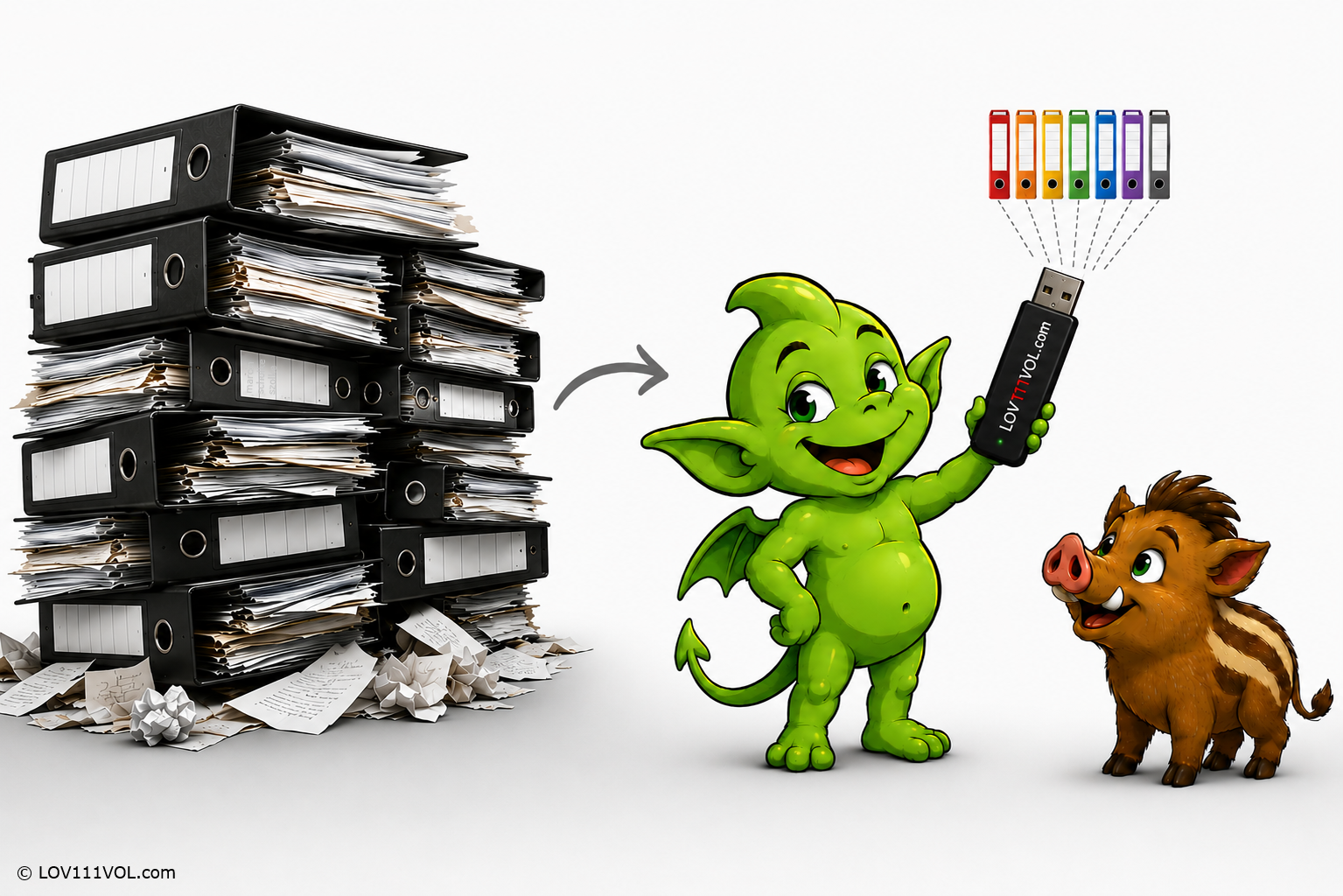
A digital binder is a simple way of arranging your documents and information that you don’t have to be restricted to a physical folder and traditional paper. Individuals freelancers small businesses and teams that work with a lot of different types of files can all benefit through a digital binder.The concept is very much like the physical binder. Documents are not printed and added in the physical sections but instead the files are categorized into folders categories etc. as digital files.
The binder digital system can save much time and space for document management and document retrieval when they are needed.Document generation is a daily routine. We talk about invoices here but also contracts reports notes, customer data, project files receipts forms, emails, and the like are just other document types.
As we have more and more of these documents around, it will be very hard to keep up with managing such documents if not properly categorized.Having a digital binder may be a good way to get a clearer structured digital work environment with a minimal risk of data loss and a better collaboration among users.

Why Use a Digital Binder?
Standard paper binders are known and can still be used. The document can be printed out, filed in the right category and put on a shelf or in a cabinet.
The difficulty is that those paper collections can increase many fold.A business with a few staff could have different files for invoices customers projects employees suppliers and administration. An individual could have a dozen files containing household papers, financial information, warranties or personal papers.Digital binder—no need for any physical shelves.
Documents, etc.can be kept on a computer, or in an appropriate document management system.
This may be most of all important when many documents need to be kept available without the storage of a large filing system.
“For every minute spent organizing, an hour is earned.”– Often attributed to Benjamin Frankli
Finding Documents More Easily
A mainly useful aspect of digital filing is searching.
Sometimes locating a specific paper document in the paper binder needs opening several files looking at individual sheets of paper.This task is more complex when documents are kept in separate binders.Electronic files can be located by file name word phrase, date or data in the electronic document using, to name a few, the searches of the software being used.For example, an owner of a small business might want to retrieve an old invoice for a customer.
Rather than sifting through a dozen file folders, the owner might be able to search through the collection of digital files.A e-binder could Yes help make large collections of information easier to find your way around.
Digital Binders for Small Businesses
Small businesses often work with many different types of documents. A company may need to manage invoices, contracts, customer records, project documentation, supplier information, meeting notes, and internal procedures.
A digital binder can provide a simple structure for keeping these materials together.
For example, a small business could organize its information into sections such as:
Customers → Contracts → Invoices → Projects → Notes
Another business might prefer:
Administration → Finance → Suppliers → Employees → Projects
There is no single structure that works for every business. The advantage of a digital system is that the organization can be adapted to the way a company works.
Digital Binders for Individuals and Freelancers
Digital binders are not limited to businesses.
Freelancers can use them to organize client documents, project information, invoices, proposals, and notes. Individuals can use a digital binder for personal documents, household records, receipts, warranties, or other information that needs to be kept for future reference.
Students can also use digital organization to keep research materials, assignments, notes, and study documents together.
The same basic concept can be adapted to many different situations.
Reducing Unnecessary Printing
An other possible benefit of a digital document management system is the ability to limit unnecessary printing.It isn’t necessary for every document to have a paper version as well.
You can very well just leave Emails drafts materials for research notes receipts, and working documents as digital files only.Less printed paper means both less use of paper and ink, plus also less need for physical storage space.This doesn’t imply that paper is completely unnecessary.
Some documentation but still might have to be produced in paperform, signature added by hand, submitted or checked in paper format etc.It’s wise, that means, to rely on paper use in situations which are best served by it while at the same time retaining documents as digitized entities when a physical version simply isn’t required.
Easier to Carry
A paper binder becomes heavier as more documents are added. Carrying several binders to a meeting or between different locations can be inconvenient.
A digital binder can keep a large collection of documents available on a laptop or another supported device.
For example, someone working on a project could have the following structure available digitally:
Project → Documents → Contracts → Reports → Notes
Instead of carrying several folders, the relevant information can be accessed from one device.
This can be useful for people who work from home, travel for work, visit customers, or work from different locations.
What Is an e-Binder?
The term e-binder is commonly used to describe a digital version of a traditional binder.
An e-binder can organize electronic documents into sections and categories, allowing users to keep related information together.
The term electronic binder can be used in a similar way. However, different software products can provide different features. Some applications focus mainly on document organization, while others combine document management with notes, tasks, project management, communication, or other functions.
A digital binder does not have to follow one specific format. Its structure can be adapted to the needs of the person or organization using it.
Digital Binder and Security
Moving documents from paper to digital storage also means considering security.
Important documents may contain personal, financial, customer, or business information. Appropriate passwords, access permissions, backups, and other security measures can help protect digital files.
The level of protection required depends on the type of information being stored and the software being used.
A digital binder should therefore be considered not only as an organizational tool but also as part of a wider document management process.
Paper Binder or Digital Binder?
Both paper and digital systems are good in their own ways.
It’s a fact that paper binders are known well, they are easy to handle, and they are practical in a paper-based workflow.Using a digital file holder can eliminate the physical space needed to store papers and also facilitate a greater ease of finding and organizing documents, and the ability to copy and port documents becomes very easy too.
A large part of the population and entrepreneurs just have to accept that sometimes one system is not enough.An effective use of an arrangement of physical and electronic papers is possible.
One way could be to keep all the original signed documents in the original format while you do the day-to-day work like notes, reports, etc.
Starting With a Digital Binder
There is no need to move every document into a digital system immediately.
A simple way to start is to choose one project, customer, or category of documents and create a basic structure.
For example:
Main Folder → Project → Documents → Notes
After using the system for some time, the structure can be changed based on what works best.
Keeping the organization simple is often more useful than creating too many categories. The purpose of a digital binder is to make information easier to manage, not to create another complicated administrative task.
Conclusion
A digital binder is a practical alternative to organizing information exclusively in traditional paper binders.
An e-binder or electronic binder can be used by individuals, freelancers, small businesses, and teams to organize documents, projects, notes, invoices, contracts, and other information in a digital environment.
Digital organization can reduce the need for physical storage, make documents easier to search, and make large collections of files more convenient to carry and manage.
At the same time, paper documents can still be useful and necessary in many situations. The goal does not have to be eliminating paper completely.
Instead, a digital binder can be viewed as another way to organize information and create a more flexible working environment. The best approach depends on the needs of the individual or organization and the type of documents being managed.