
 By sl lives
Table of Contents
- Cash Flow Management
- Access to Capital
- Expense Control
- Pricing Strategies
- Financial Literacy
- Cybersecurity
- Diversifying Revenue Streams
- Building Financial Resilience
Running a small business is both rewarding and challenging, with financial stability often being one of the most significant concerns. Many entrepreneurs find that unexpected market fluctuations, client payment delays, or regulatory changes can quickly threaten their business’s future. Whether you’re just starting or looking to grow, being aware of financial risks and protecting your company through tools like business insurance can help you navigate uncertain times and build resilience.
Taking a proactive approach to financial risk management ensures your business remains nimble and well-prepared, even when adversity strikes. Growth depends on your ability to anticipate challenges, mitigate losses, and adapt processes. Smart financial decisions can mean the difference between thriving in the long term and barely making it through tough patches.
Cash Flow Management
Cash flow is the heartbeat of any small business. You can be profitable on paper yet still struggle if your cash flow is not consistently monitored. Regularly reviewing your income and outgoing expenses helps avoid shortfalls and ensures you can pay employees and suppliers on time. Utilize cash flow forecasting tools or accounting software to predict your financial picture several months ahead. Experts recommend establishing a cash reserve—enough to cover at least three months of expenses—to buffer against downturns or late-paying clients. More on the importance of financial reporting can be found on The New York Times’ guide for business owners.
Access to Capital
Securing capital when needed remains a top concern for many small enterprises. While traditional bank loans remain relevant, they can be challenging to qualify for, especially for new businesses or those without a lengthy credit history. Crowdfunding platforms or peer-to-peer lending networks may offer alternative routes to funding that bypass traditional red tape. Building relationships with angel investors or local business groups can also open doors to vital funding, while a thorough and compelling business plan boosts your appeal to potential backers. Fast access to capital can make or break your business during critical periods.
Expense Control
Carefully managing spending is crucial for maintaining profitability, especially during periods of slow revenue growth. Review overhead costs regularly and cut out non-essential services—unused subscriptions or outdated software are frequent culprits. Renegotiate with suppliers for better terms or switch to vendors offering competitive prices. Many small businesses also explore remote or hybrid work arrangements to reduce office-related expenses, such as rent and utilities. Adopting energy-efficient solutions yields additional savings over time, freeing up resources for core investments.
Pricing Strategies
Finding the optimal price point for your products or services requires striking a balance between value and competitiveness. Underpricing may win more customers in the short term, but can erode your profits. Conversely, overpricing risks turning buyers away. Effective market research, price modeling, and the use of analytics tools help pinpoint what customers are willing to pay while maintaining strong margins. Regularly review your pricing in light of market demand, production costs, and competitor activity to stay agile and profitable. For detailed insights on pricing strategies for business owners, refer to this Forbes article.
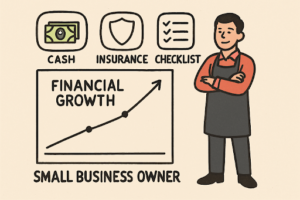
A significant number of business failures can be attributed to a lack of financial knowledge. For owners, managers, and key employees, developing basic economic literacy is essential to making informed decisions that sustain and grow the business. Engaging in workshops, online courses, or consulting with seasoned accountants helps build both understanding and confidence in handling financial matters. Improved literacy enables smarter spending choices, more effective budgeting, and accurate forecasting, all of which are critical for long-term stability. By prioritizing financial education, businesses strengthen their operational foundations, minimize risk, and position themselves for sustainable growth and profitability in competitive markets.
Cybersecurity
Small businesses are becoming prime targets for cybercriminals looking to exploit vulnerabilities in networks, systems, and employee practices. A single breach can lead to costly downtime, permanent data loss, regulatory fines, and severe damage to a company’s reputation, which can be challenging to recover from. Implementing a robust cybersecurity framework, including firewalls, antivirus programs, and regular software updates, is crucial for safeguarding critical information. Equally important is educating employees to recognize phishing attempts, suspicious links, and other social engineering tactics. Even for small teams, proactive security measures are no longer optional; they are a vital component of comprehensive financial risk management and long-term business resilience.
Diversifying Revenue Streams
Relying heavily on a single product line or a small group of clients leaves your business vulnerable to changes in market conditions, consumer preferences, or economic fluctuations. Diversifying your offerings—by introducing complementary products or services, targeting new customer demographics, or adopting subscription-based models—can create multiple revenue streams and reduce dependence on any one source. This strategic approach not only mitigates the impact of sudden industry downturns but also strengthens your organization’s resilience and adaptability. By broadening your market reach and exploring innovative business models, you enhance long-term stability, improve competitive positioning, and establish a foundation for sustainable, scalable growth in an ever-evolving marketplace.
Building Financial Resilience
Financial resilience is developed by consistently monitoring your performance, reviewing budgets, and maintaining an emergency fund. Stay informed about industry trends through relevant news and economic reports, and adjust your business plan accordingly as conditions change. Resilient companies make decisions based on real data and retain the flexibility to pivot strategies during downturns—a trait that characterizes long-lived and successful enterprises.
Effectively managing financial risks is essential for the stability and long-term growth of small businesses. By proactively monitoring cash flow, owners can identify potential shortfalls and make informed decisions before problems escalate. Diversifying revenue streams reduces dependence on a single income source, while ongoing education ensures that business leaders stay current with industry trends and best practices. Additionally, implementing robust cybersecurity measures protects critical financial and customer data. Together, these strategies strengthen resilience, enhance competitiveness, and help small businesses navigate economic fluctuations with confidence and stability. Read More