

 By sl lives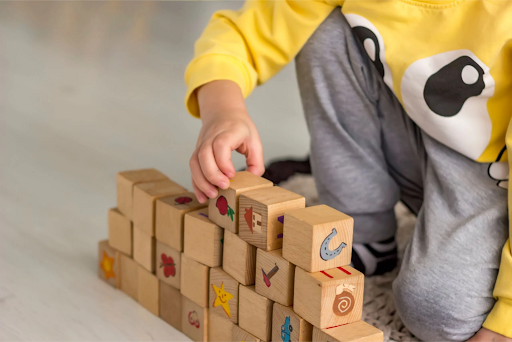
Fine motor skills are a fundamental part of a child’s development, influencing how they interact with the world around them. These skills involve the coordination of small muscles in the hands and fingers, allowing children to perform precise movements such as grasping, drawing, and manipulating objects. Understanding why these skills matter helps parents and educators better support children as they grow, especially when you explore how fine motor skills impact play, writing and self-care in everyday life.
From early play activities to school readiness and independence, fine motor development plays a key role in shaping a child’s abilities, confidence, and overall growth.
Fine Motor Skills Play a Key Role in Everyday Play and Exploration
Play is one of the first ways children develop fine motor skills. Activities like stacking blocks, drawing, threading beads, or using playdough all require coordination between the hands and eyes. These actions help strengthen the muscles in the fingers while improving control and precision.
As children engage in different types of play, they learn how to manipulate objects, experiment with movement, and refine their coordination. This process not only supports physical development but also contributes to creativity and problem-solving. Play-based learning is especially important because it provides repeated opportunities for children to practise these movements in a fun and natural way. Over time, this builds the foundation needed for more complex tasks.
Writing and Academic Skills Depend on Strong Fine Motor Development
Fine motor skills are closely linked to a child’s ability to succeed in school, particularly when it comes to writing. Tasks such as holding a pencil, forming letters, and controlling hand movements require coordination, strength, and precision.
Without well-developed fine motor skills, children may struggle with handwriting, which can affect their confidence and academic performance. Even simple classroom activities like cutting with scissors or colouring within lines rely on these abilities. As children practise these skills, they improve their hand-eye coordination and develop better control over their movements. This not only enhances their writing but also supports learning across other subjects that require manual tasks.
Fine Motor Skills Support Independence in Daily Self-Care Activities
One of the most important aspects of fine motor development is its impact on independence. Everyday tasks such as dressing, eating, and personal hygiene all require precise hand movements and coordination.
Children use fine motor skills when they:
- Button shirts or zip jackets
- Use utensils to eat
- Brush their teeth or comb their hair
These abilities allow children to take care of themselves with less assistance, which is a key milestone in their development. As these skills improve, children gain a sense of independence and confidence, which positively influences their overall well-being.
Hand-Eye Coordination Is Essential for Skill Development Across Activities
Fine motor skills rely heavily on hand-eye coordination, which is the ability to use visual information to guide hand movements. This coordination is essential for tasks that require accuracy and control, such as drawing, writing, or picking up small objects.
As children develop stronger coordination, they become more efficient and precise in their movements. This allows them to complete tasks more easily and with greater confidence. Hand-eye coordination also plays a role in many recreational activities, including sports, arts, and crafts. Developing this skill early provides a strong foundation for a wide range of abilities later in life.
Early Development of Fine Motor Skills Builds Confidence and Encourages Learning
As children improve their fine motor skills, they become more capable of completing tasks independently. This success helps build confidence and encourages them to try new activities.
Children who feel confident in their abilities are more likely to engage in learning experiences, both at home and in school. This can lead to improved participation, better problem-solving skills, and a more positive attitude towards challenges. In contrast, difficulties with fine motor skills can sometimes lead to frustration or avoidance of certain tasks. Early support and practice can help prevent these challenges and promote a more positive developmental experience.
Practice and Daily Activities Help Strengthen Fine Motor Skills Over Time
Fine motor skills develop gradually through repetition and practice. Everyday activities provide valuable opportunities for children to strengthen these skills without the need for structured lessons.
Simple activities that support development include:
- Drawing, colouring, and painting
- Playing with building blocks or puzzles
- Using scissors or craft tools
These activities encourage children to use their hands in different ways, helping to build strength and coordination over time. Consistency is key. The more children practise these movements, the more refined their skills become, leading to better performance in both academic and daily tasks.
Conclusion
Fine motor skills play a vital role in a child’s development, influencing everything from play and creativity to writing and self-care. These small but important movements form the foundation for many everyday activities and contribute to a child’s independence and confidence.
By understanding the importance of fine motor development and providing opportunities for practice, parents and educators can support children in reaching important milestones. Whether through play, learning, or daily routines, these skills continue to shape a child’s growth and ability to interact with the world around them. Helping children develop strong fine motor skills early on sets them up for success in both school and life.
