
 By sl lives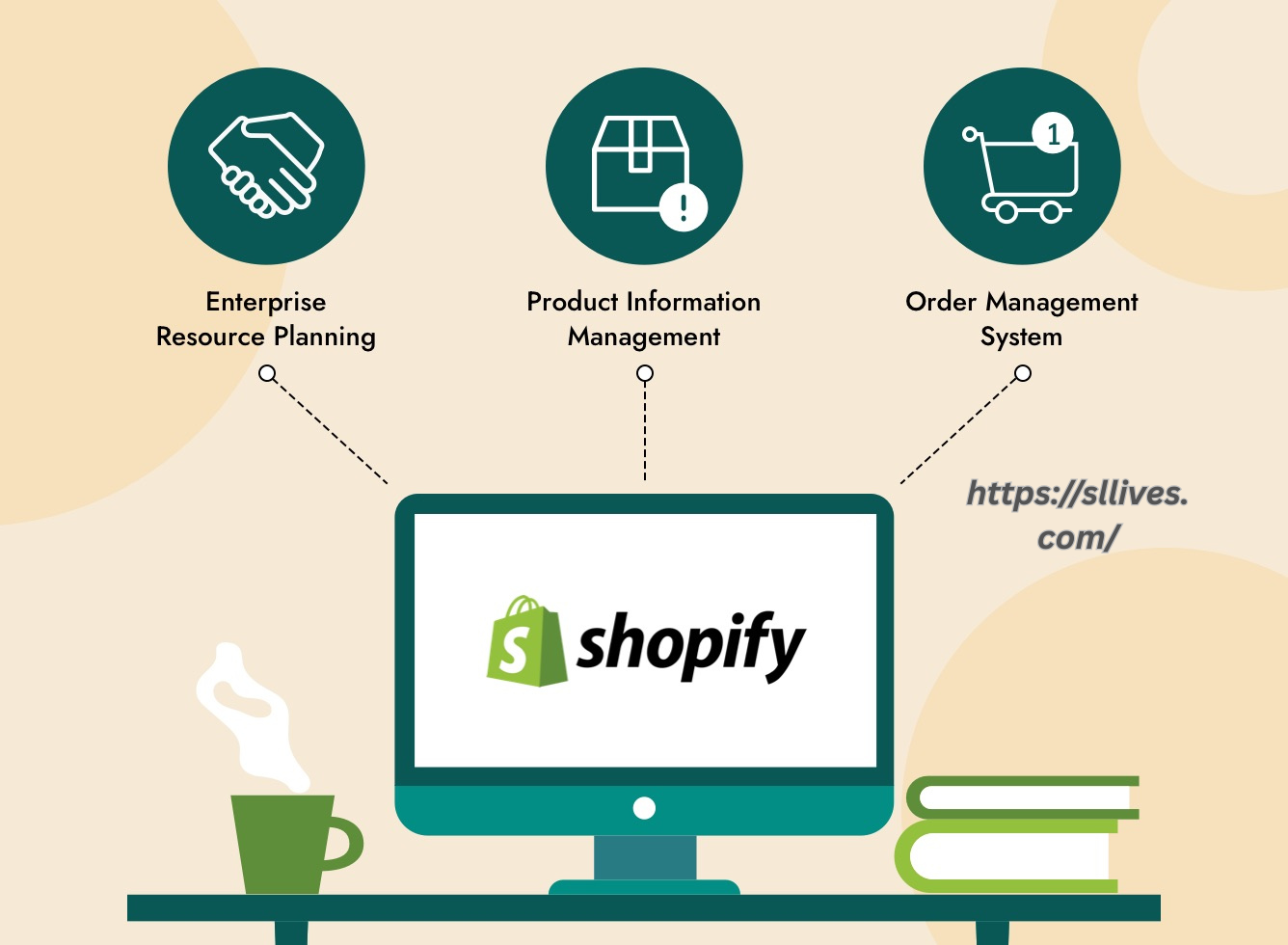
As e-commerce businesses scale, managing operations across multiple systems becomes increasingly complex. Order processing, inventory management, accounting, customer data, and fulfillment often operate in silos, leading to inefficiencies and errors. This is where Custom Shopify ERP integration becomes essential. By connecting Shopify with an enterprise resource planning (ERP) system, businesses can streamline workflows, improve data accuracy, and support sustainable growth.
However, the success of such an integration heavily depends on choosing the right implementation partner. A skilled and experienced partner ensures that your Shopify store and ERP system work together seamlessly, without disrupting your operations. This article explores the key factors to consider when selecting the right partner for Custom Shopify ERP integration.
Understand Your Business and Integration Requirements
Before evaluating potential partners, it is crucial to clearly define your own business needs. Every e-commerce business has unique workflows, data structures, and growth goals. Some companies need real-time inventory synchronization, while others prioritize automated invoicing, tax compliance, or multi-warehouse management.
A reliable partner should take the time to understand your business model, order volume, geographic reach, and ERP platform (such as SAP, NetSuite, Microsoft Dynamics, or Odoo). Avoid partners who offer one-size-fits-all solutions. Instead, look for those who propose tailored strategies aligned with your operational requirements and future scalability.
Look for Proven Experience in Shopify ERP Integrations
Custom Shopify ERP integration is technically complex and requires deep expertise in both Shopify and ERP systems. When evaluating partners, review their portfolio and case studies. Look for demonstrated experience in handling integrations similar to your own business size and industry.
An experienced partner will understand common challenges such as data mapping, synchronization delays, API limitations, and system security. They should also be familiar with Shopify’s architecture, including Shopify Plus features, webhooks, APIs, and custom apps. Choosing a partner with proven integration experience significantly reduces implementation risks and long-term maintenance issues.
Choose a Shopify Plus Development Company India with Strong Technical Expertise
For businesses operating globally or planning rapid growth, working with a Shopify Plus development company India can be a strategic advantage. India has become a global hub for skilled Shopify developers and ERP integration specialists who deliver high-quality solutions at competitive costs.
A reputable Shopify Plus development company India offers expertise in advanced Shopify features such as automation scripts, custom checkout workflows, and enterprise-level integrations. They are well-versed in handling high-volume transactions, multi-currency setups, and complex backend systems. When combined with ERP integration expertise, this ensures a robust, scalable solution tailored for long-term growth.
Best Companies for Custom Shopify ERP Integration
Here are trusted companies known for delivering Custom Shopify ERP integration solutions that connect Shopify with ERP systems like SAP, Odoo, NetSuite, and Microsoft Dynamics:
- Tisdigitech – Expertise in custom Shopify ERP integrations, multi-vendor setups, and enterprise-grade automation.
- CedCommerce – Provides scalable Shopify ERP integrations for inventory, order, and accounting management.
- Emizentech – Offers tailored Shopify ERP integration services for real-time data sync and workflow automation.
- TatvaSoft – Delivers custom Shopify ERP integrations with SAP, Oracle, and Microsoft Dynamics.
- Folio3 – Specializes in complex Shopify ERP integrations for high-growth and enterprise businesses.
Evaluate Their Customization Capabilities
Not all ERP integrations are created equal. Some partners rely heavily on pre-built connectors or middleware that may not fully align with your business processes. While such tools can be useful, they often lack flexibility for complex workflows.
The right integration partner should excel at customization. They should be able to build custom APIs, data transformation logic, and automated workflows specific to your business. Customization ensures that your Shopify store and ERP system communicate accurately, whether it involves handling bundled products, returns, refunds, or advanced pricing rules.
Assess Their Approach to Data Security and Compliance
ERP systems contain sensitive business data, including financial records, customer details, and supplier information. During Custom Shopify ERP integration, large volumes of data are transferred between platforms, making security a top priority.
Your integration partner should follow best practices for data encryption, secure authentication, and access control. They should also understand compliance requirements relevant to your market, such as GDPR or local tax regulations. A professional partner will proactively address security concerns and include them as a core part of the integration strategy.
Consider Scalability and Future Readiness
Your current integration needs may be straightforward, but business growth often introduces new complexities. You may expand into new regions, add sales channels, introduce new product categories, or switch ERP modules.
The right partner will design your Custom Shopify ERP integration with scalability in mind. This includes building flexible architectures, supporting modular upgrades, and ensuring the integration can handle higher transaction volumes without performance issues. Ask potential partners how they plan for future expansion and whether their solutions can evolve alongside your business.
Review Communication, Support, and Project Management
Technical expertise alone is not enough. Successful integration projects require clear communication, transparent timelines, and effective collaboration. Evaluate how the partner manages projects and communicates progress.
A reliable Shopify Plus development company India will provide dedicated project managers, regular updates, and clear documentation. Post-launch support is equally important. Ensure the partner offers ongoing maintenance, monitoring, and troubleshooting services to address issues that may arise after deployment.
Compare Cost, Value, and Long-Term ROI
Cost is an important factor, but it should not be the sole deciding criterion. Low-cost integrations often lead to higher expenses later due to performance issues, limited scalability, or frequent errors.
Instead, focus on value and return on investment. A well-executed Custom Shopify ERP integration reduces manual work, minimizes errors, improves operational efficiency, and enhances customer experience. Choose a partner who offers transparent pricing and clearly explains what is included, from development and testing to post-launch support.
Final Thoughts
Choosing the right partner for Custom Shopify ERP integration is a critical decision that directly impacts your operational efficiency and business growth. The ideal partner combines deep Shopify and ERP expertise, customization capabilities, strong security practices, and a scalable, future-ready approach.
Working with an experienced Shopify Plus development company India can provide the technical excellence and cost efficiency needed to build a robust integration solution. By carefully evaluating experience, communication, security, and long-term value, businesses can ensure a seamless integration that supports growth, agility, and operational excellence in an increasingly competitive e-commerce landscape. Read More