
 By Sl Lives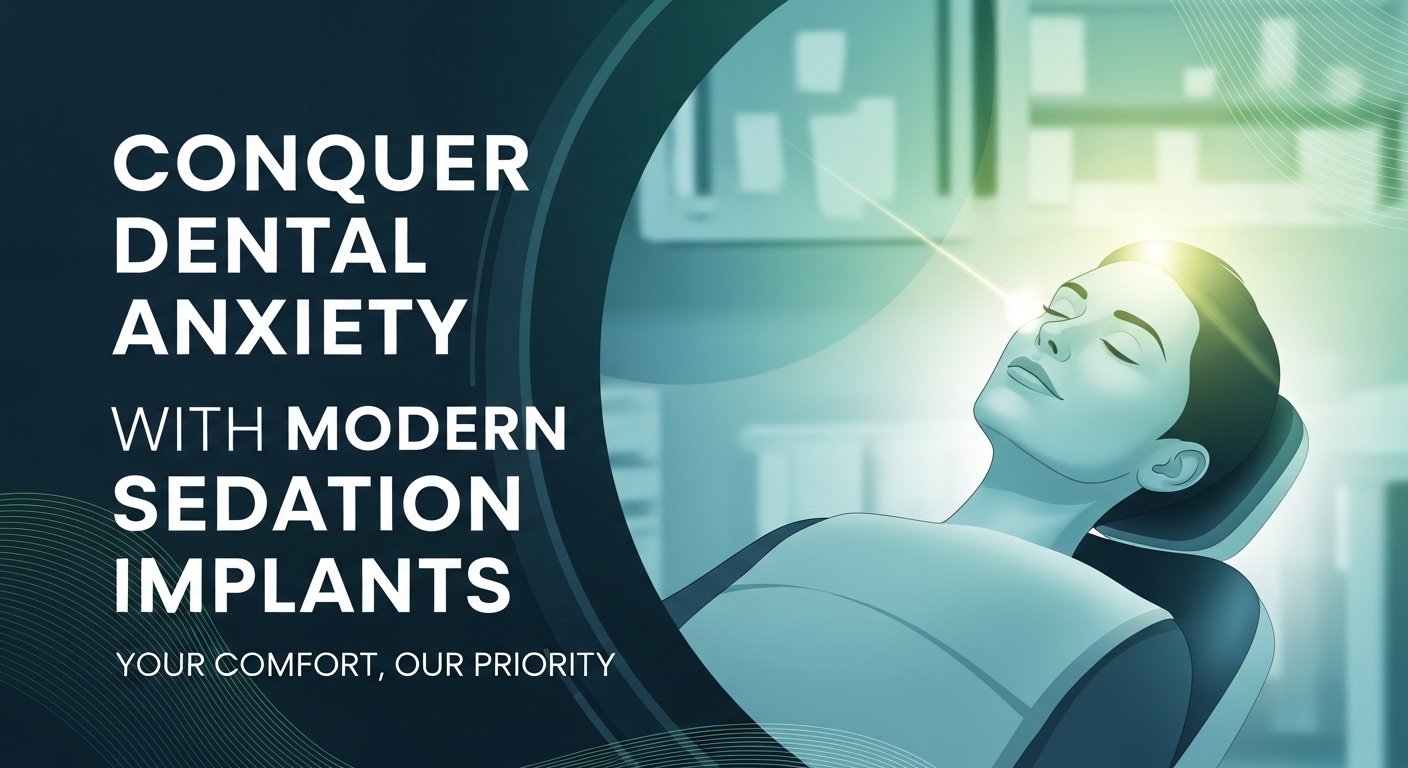
For many Australians, the thought of sitting in a dental chair sparks real anxiety. The whirr of drills, the clinical smells, and the fear of discomfort can delay essential treatment for years. Unfortunately, postponing care often leads to more complex problems, including missing or severely damaged teeth. Today, however, dental implants combined with sedation options are transforming that experience. What once felt overwhelming can now feel more like a peaceful nap — and patients wake up with their smile on the way to being fully restored.
Understanding Dental Anxiety in Australia
Dental anxiety is more common than many people realise. It can stem from a previous traumatic experience, fear of pain, embarrassment about oral health, or even a sensitive gag reflex. In regional and metropolitan areas alike, people frequently avoid appointments until discomfort forces action.
When tooth loss occurs, whether through decay, gum disease, or injury, replacing the tooth promptly is essential for maintaining jawbone strength and facial structure. Dental implants are considered one of the most reliable long-term solutions. Yet fear itself often becomes the biggest barrier to receiving this gold-standard treatment.
Why Dental Implants Matter
Dental implants are small titanium posts placed into the jawbone to act as artificial tooth roots. Once healed, they support crowns, bridges, or dentures that look and function like natural teeth.
Beyond aesthetics, implants:
- Prevent bone loss in the jaw
- Maintain facial structure
- Improve speech clarity
- Restore chewing efficiency
- Offer durability that can last decades
For anxious patients, knowing the procedure involves surgery can intensify concern. That is where sedation dentistry plays a crucial role.
Sleep Dentistry: Turning Fear into Calm
Sleep dentistry, also known as sedation dentistry or treatment under general anaesthesia, allows patients to undergo procedures in a deeply relaxed or fully asleep state. Rather than being hyper-aware of every sensation, patients experience little to no memory of the procedure.
Through relaxed dental implant surgery through sleep dentistry, individuals who once avoided care can confidently proceed with implant treatment. This approach is particularly beneficial for:
- Severe dental anxiety or phobia
- Complex or multiple implant placements
- Strong gag reflex
- Low pain tolerance
- Time-poor patients needing multiple procedures in one visit
Instead of several stressful appointments, treatment can often be completed efficiently while the patient rests comfortably.
What Happens During Sedation Implant Surgery?
The process begins with a thorough consultation. Your dentist assesses your oral health, medical history, and anxiety level to determine the most appropriate sedation method. Options may include intravenous (IV) sedation or general anaesthesia administered in a hospital or accredited surgical setting.
On the day of the procedure:
- Sedation is carefully administered by qualified professionals.
- You drift into a deeply relaxed or sleep-like state.
- The implant is precisely placed into the jawbone.
- You wake up in recovery with minimal recollection of the procedure.
Many patients are surprised at how straightforward the experience feels. What they anticipated as distressing often becomes a smooth and manageable event.
Recovery Is Often Easier Than Expected
One of the most common misconceptions about implants is that recovery is unbearable. In reality, most patients report manageable discomfort that can be controlled with prescribed or over-the-counter medication.
Swelling and mild bruising may occur, but these symptoms usually settle within a few days. Because sedation minimises stress during the procedure, patients often find the overall experience far less traumatic than expected.
When anxiety is removed from the equation, healing can feel more predictable and less emotionally draining.
The Psychological Shift: From Avoidance to Empowerment
The greatest benefit of sedation implants may not be physical — it is psychological. Patients who once postponed appointments for years often describe a renewed sense of control. Successfully completing implant surgery without fear can completely reshape someone’s relationship with dentistry.
This empowerment frequently leads to improved oral hygiene habits, regular check-ups, and proactive treatment decisions in the future. Instead of associating dental visits with dread, patients begin to see them as manageable and worthwhile.
A Modern Approach to Comfortable Care
Advancements in technology, anaesthesia, and surgical planning have made implant treatment more precise and patient-centred than ever before. Digital imaging ensures accurate placement, while refined sedation protocols enhance safety and comfort.
Modern clinics understand that emotional comfort is just as important as clinical expertise. A compassionate team, clear communication, and tailored sedation plans all work together to create a positive experience.
For Australians who have long avoided the dentist, this integration of technology and empathy represents a significant shift in care standards. Rather than enduring fear, patients can rest — literally — while their smile is rebuilt.
Dental anxiety no longer needs to dictate your oral health journey. With sedation-supported implant procedures, restoring missing teeth can feel less like surgery and more like a restorative pause in your day. For those seeking reassurance about how modern dental treatment helps patients relax, understanding today’s options may be the first step towards reclaiming both comfort and confidence in the dental chair.