

 By sl lives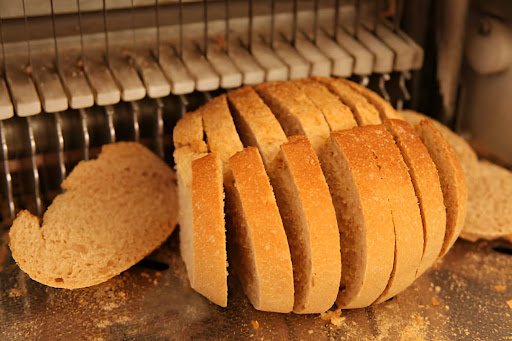
A reliable Bread Slicer can do more than make bread look neat—it can directly help a bakery reduce waste, improve packing speed, and build stronger relationships with retail and wholesale buyers. Many bakery owners focus on ingredients, recipes, ovens, and production output. But once bread leaves the oven, it still needs to be finished properly. Slicing is part of that finishing process, and it has a real effect on profit and customer satisfaction.
In many bakeries, waste does not come from baking mistakes. It comes from small “after-bake” issues: crushed loaves, torn slices, inconsistent thickness, messy crumbs, and slow packing that leads to delays. These problems may look minor, but when you repeat them daily, they become expensive.
This article explains how slicing impacts waste, packaging, and wholesale quality standards—and how upgrading the slicing process can support long-term business growth.
Waste in Bakeries Is Often Not What You Think
When people hear “waste,” they think of burnt bread or failed batches. That happens sometimes, but many bakeries lose money in quieter ways:
- Ends that break during slicing
- Slices that tear and cannot be sold neatly
- Too many crumbs in the bag (customers dislike it)
- Loaves that get squeezed, flattening the shape
- Inconsistent slice count per loaf
- Time waste during packing and cleaning
These problems often happen when slicing is done by hand or with a setup that is not stable for the bread type. The result is not always “unsellable bread,” but it becomes bread that sells slower, looks less premium, or causes complaints.
A slicing upgrade can reduce these losses without changing your ingredients or baking method.
Why Slice Thickness Directly Affects Profit
Slice thickness is not only about customer preference. It affects how much you can sell from each loaf.
Here is an easy example:
- If slices are inconsistent, you may accidentally cut some pieces thicker than needed.
- Thicker slices mean fewer slices per loaf.
- Fewer slices per loaf means you deliver less product value in each bag, or you create packaging inconsistency.
For wholesale buyers, this matters even more. A café or sandwich shop may calculate cost based on slices per loaf. If they get fewer slices sometimes, they feel the product is unreliable—even if your bread is delicious.
Consistent thickness protects your margins and helps buyers trust your supply.
The Packaging Problem: Why Neat Slices Matter
Packaging is where many bakeries compete. Customers see the product through the bag. They judge quickly.
Neat slices improve:
- shelf appearance
- customer confidence
- perceived freshness
- ease of use at home
Uneven slices can cause the loaf to sit poorly inside the bag. It may look messy or crushed. Even worse, torn slices drop crumbs, and crumbs stick to the bag. Customers may think the bread is dry or old, even when it is fresh.
Uniform slicing gives your bread a cleaner look and supports a stronger retail presentation.
Manual Slicing Creates Hidden Labor Costs
Many bakeries do not measure how much labor slicing consumes. It feels like a normal task. But when you calculate the daily time spent slicing, cleaning crumbs, fixing torn slices, and repacking messy bags, the cost becomes clear.
Manual slicing can create:
- slower packing speed
- extra cleaning time
- more staff fatigue
- higher risk of injury
- more customer complaints about uneven cuts
A better slicing process reduces these issues. It creates a more predictable routine for staff, especially in busy morning hours when orders must go out fast.
What a Bread Slicer Changes in Daily Operations
A bread slicer is designed to cut loaves with controlled blade action and stable guides. Instead of depending on a person’s hand pressure, the machine produces consistent results across many loaves.
A good slicing system helps you:
- reduce crushing on soft loaves
- reduce tearing on crusty loaves
- produce the same thickness every time
- reduce crumbs that end up in packaging
- improve speed and packing flow
Even if your bakery is not “big,” a slicer can still improve daily operations—especially if you sell sliced bread regularly.
Why Wholesale Buyers Care About Slicing Quality
Retail customers might accept small differences. Wholesale buyers usually do not.
Wholesale buyers care about:
- consistent thickness
- stable slice count
- clean packaging
- predictable product experience
- reliability for their own operations
If your buyer makes sandwiches, slice thickness affects the product build. If your buyer sells your bread in-store, the packaging appearance affects their shelf quality.
Uniform slicing helps you look like a reliable supplier. And reliability is what keeps wholesale contracts long-term.
Bread Types: Why the Same Cutting Method Does Not Work for All
Different bread textures react differently during slicing, and this is often why bakeries see tearing or crushing.
Soft bread (sandwich bread, milk bread, toast bread)
Soft loaves compress easily. Warm bread is even softer. A controlled slicing system helps maintain shape and prevent flattened slices.
Crusty bread (sourdough, rustic loaves)
Hard crust can tear the inside if cutting is not stable. A stronger slicing setup supports cleaner cuts and reduces broken slices.
Enriched bread (brioche, raisin bread)
These breads may be delicate and sometimes sticky. Clean slicing protects appearance and improves packaging.
Matching your slicing method to your bread style is one of the easiest ways to reduce daily product waste.
Simple Workflow Fixes That Improve Slice Results
Equipment matters, but workflow matters too. Many slicing problems come from timing and handling.
Here are practical steps that reduce waste:
Cool bread properly
Slicing warm bread increases tearing and compressing. Cooling creates a firmer loaf structure and leads to cleaner cuts.
Keep loaf size consistent
If loaf height changes, slicing performance changes. Consistent shaping helps consistent slicing.
Place slicing near packing
If staff must carry loaves around the bakery, loaves can get damaged, and time is wasted. A close slicing-to-packing setup improves speed.
Train more than one staff member
When only one person knows how to slice properly, quality changes when that person is absent. Basic training builds reliability.
These steps cost little but can significantly improve daily slice quality.
Why Equipment Quality Matters for Long-Term Use
A slicer is used repeatedly. If it performs well for a month but creates issues later, the upgrade does not help. That is why bakeries often look for equipment built for real bakery conditions: daily use, crumb handling, cleaning routines, and stable performance.
Professional suppliers focus on these needs. For example, mirabake.com is known for bakery equipment solutions that support consistent production work, where durability and repeatable results matter for real operations—not just for display.
When equipment quality is stable, your production quality stays stable too.
The Business Advantage of Clean, Uniform Slices
Reducing waste is only one part of the benefit. Uniform slicing also supports:
- better customer experience
- stronger shelf appearance
- higher perceived product value
- easier pricing confidence
- smoother wholesale relationships
These advantages are connected. When slices look neat, your bread looks premium. When your bread looks premium, customers trust it. When customers trust it, sales grow.
Small improvements in finishing steps often lead to big improvements in brand performance.
Scaling Up Without Losing Quality
Growth is a great goal—but growth creates pressure. When daily orders increase, quality can drop if systems are not upgraded.
A reliable slicing process is one of the simplest ways to protect quality while scaling:
- it removes a daily bottleneck
- it reduces manual fatigue
- it improves packing speed
- it protects your product presentation
In other words, it helps you produce more without looking less professional.
If your bakery is preparing for more retail packaging or more wholesale supply, adding a dependable Bread Slicer can strengthen consistency and help reduce the hidden waste that grows with volume.
Final Thoughts
Many bakeries try to increase profit by raising prices or adding new items. But reducing waste is often a faster and safer way to improve margins. Slicing is one of the most overlooked areas where waste happens quietly—through crumbs, torn slices, inconsistent thickness, and slow packing routines.
Upgrading slicing is not only about speed. It is about building a reliable finishing process that supports better packaging, stronger wholesale confidence, and a cleaner customer experience. When a loaf looks neat and slices evenly every time, it communicates quality without needing extra marketing words—and that is what makes customers and buyers stay loyal.
